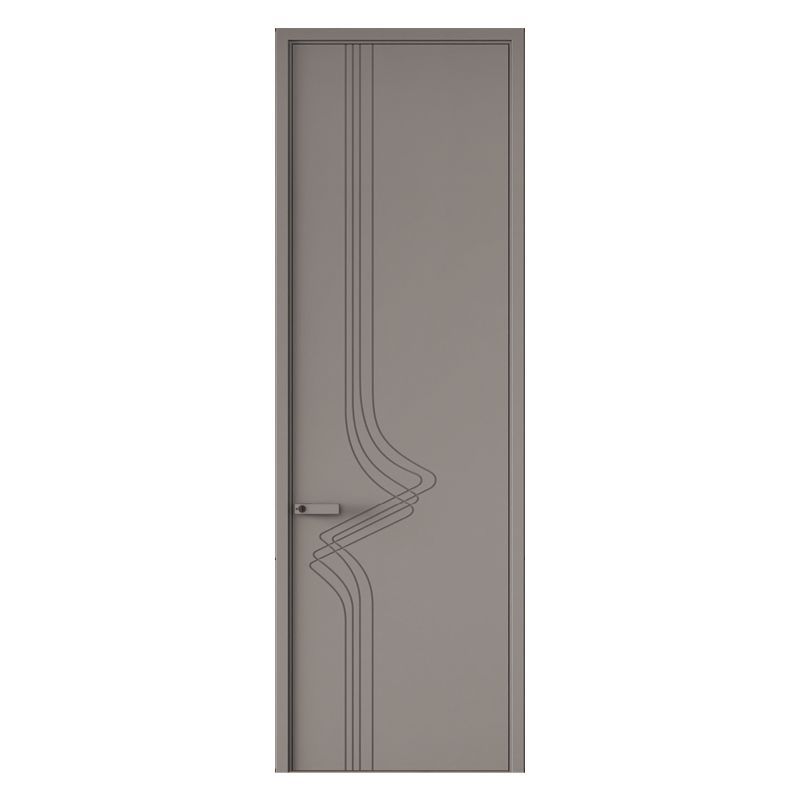
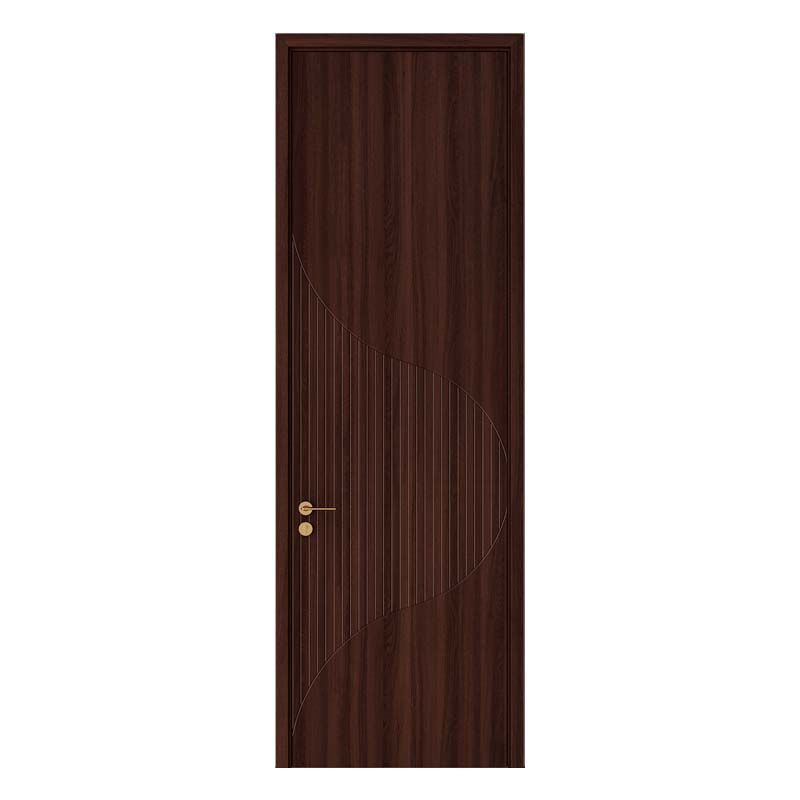
Interior doors are not only an important part of home design but also need to adapt to different environmental conditions. Climate factors such as temperature changes, humidity, sunlight exposure, and seasonal variations can directly affect door performance, durability, and maintenance requirements.
For homeowners, architects, contractors, and international building material buyers, choosing the right interior door according to the local climate can help prevent common problems such as deformation, swelling, cracking, and poor insulation.
ROI HOME provides customized interior door solutions designed for different climate environments, helping global customers select suitable door materials and structures for residential and commercial projects.
Different climates create different challenges for interior doors.
A door that performs well in one region may not be suitable for another environment.
Climate factors that affect interior doors include:
Temperature fluctuations
Humidity levels
UV exposure
Indoor and outdoor temperature differences
Seasonal weather changes
For example:
A wooden interior door installed in a hot and dry region needs strong resistance against heat expansion and deformation, while a door used in a humid tropical area requires better moisture protection.

Examples include:
Middle East
Desert areas
High-temperature regions
Hot and dry climates expose doors to:
High temperatures
Strong sunlight
Large temperature differences between day and night
Traditional doors may experience:
Panel deformation
Surface cracking
Joint separation
For hot and dry environments, buyers should focus on:
Anti-Deformation Structure
A stable internal structure helps maintain door shape during temperature changes.
Important factors include:
High-quality core materials
Balanced construction
Proper moisture control during manufacturing
UV-Resistant Surface Finish
Strong sunlight can damage some door surfaces.
Better finishing systems can help improve:
Color stability
Surface durability
Long-term appearance
In high-temperature regions such as Iraq, interior doors need to withstand extreme climate conditions.
ROI HOME has provided customized wooden door solutions for Iraqi customers, focusing on solving high-temperature deformation issues through optimized door structures and material selection.
This practical project experience demonstrates the importance of choosing climate-adapted interior doors rather than standard products.

Anti-Deformation Custom Wooden Doors
Examples include:
Southeast Asia
Coastal areas
Tropical regions
High humidity can cause:
Door swelling
Mold growth
Surface damage
Difficulty opening and closing
Wood materials naturally absorb moisture, so moisture protection becomes a key consideration.
Moisture Resistance
Suitable interior doors should have:
Stable core materials
Protective surface coatings
Proper edge sealing
These features help reduce moisture absorption.
Mold Resistance
In humid environments, materials and finishes should help prevent:
Mold formation
Bacterial growth
Surface deterioration
For hotels, apartments, and residential projects in tropical regions, moisture-resistant doors can significantly reduce maintenance costs.

Examples include:
Northern Europe
North America
Cold winter regions
Cold climates create requirements for:
Heat retention
Air sealing
Temperature stability
Poorly designed doors may result in:
Heat loss
Draft problems
Reduced indoor comfort
Better Insulation Performance
Door structures should provide:
Stable core materials
Lower heat transfer
Improved indoor comfort
Good Sealing Performance
Proper sealing helps:
Reduce air leakage
Improve energy efficiency
Maintain stable indoor temperatures
For energy-efficient buildings, door selection plays an important role in overall building performance.
| Climate Condition | Main Challenges | Recommended Features |
| Hot & Dry Climate | Heat, UV exposure, deformation | Anti-deformation structure, UV-resistant finish |
| High Humidity Climate | Moisture, swelling, mold | Moisture resistance, mold resistance |
| Cold Climate | Heat loss, air leakage | Insulation, sealing performance |
Material selection directly influences door durability.
Advantages:
Natural appearance
Premium design
Good decoration value
However, they require:
Proper structural design
Moisture control
Quality finishing
Advantages:
Better dimensional stability
More consistent performance
Suitable for large-scale projects
They are commonly used in:
Apartments
Hotels
Residential developments
For international projects, customized doors allow manufacturers to adjust:
Door structure
Surface treatment
Core materials
Size specifications
according to local climate requirements.

Custom Hotel guest room doors and corridor doors
International buyers should evaluate:
Before selecting a door, consider:
Average temperature
Humidity level
Sun exposure
Seasonal changes
Different projects have different requirements.
Examples:
Residential projects may focus on:
Appearance
Comfort
Durability
Commercial projects may require:
Higher usage frequency
Easier maintenance
Consistent quality
A reliable supplier should provide:
Climate-specific recommendations
Customized solutions
Quality control
Project support
ROI HOME specializes in customized interior door manufacturing for global residential and commercial projects.
ROI HOME provides:
Customized wooden doors
Interior door solutions
Climate-adapted designs
Professional manufacturing support
The company focuses on helping customers solve real-world challenges, including high-temperature deformation problems in Middle East projects.
With experience in international markets, ROI HOME combines product design, material selection, and manufacturing expertise to deliver reliable door solutions for different climate conditions.
Not always. Different climates create different requirements for materials, structure, and surface treatment.
Doors with moisture-resistant materials, protective coatings, and good edge sealing are more suitable for humid environments.
Stable internal structures, suitable materials, and professional manufacturing processes help reduce deformation risks.
Wood responds to temperature and humidity changes. Without proper design and treatment, doors may swell, shrink, or deform.
Choosing interior doors based on climate conditions is essential for long-term performance.
Different regions require different solutions:
Hot and dry areas need anti-deformation and UV-resistant doors.
Humid regions require moisture and mold resistance.
Cold climates require insulation and sealing performance.
For international building projects, working with an experienced manufacturer can help ensure doors are designed for local environmental conditions.
ROI HOME provides customized interior door solutions for global customers, helping residential and commercial projects achieve better durability, performance, and design value.
Contact ROI HOME
Email: King@roihomedoor.com
Related news
Best Painted Wooden Door Colors for Contemporary Home Design