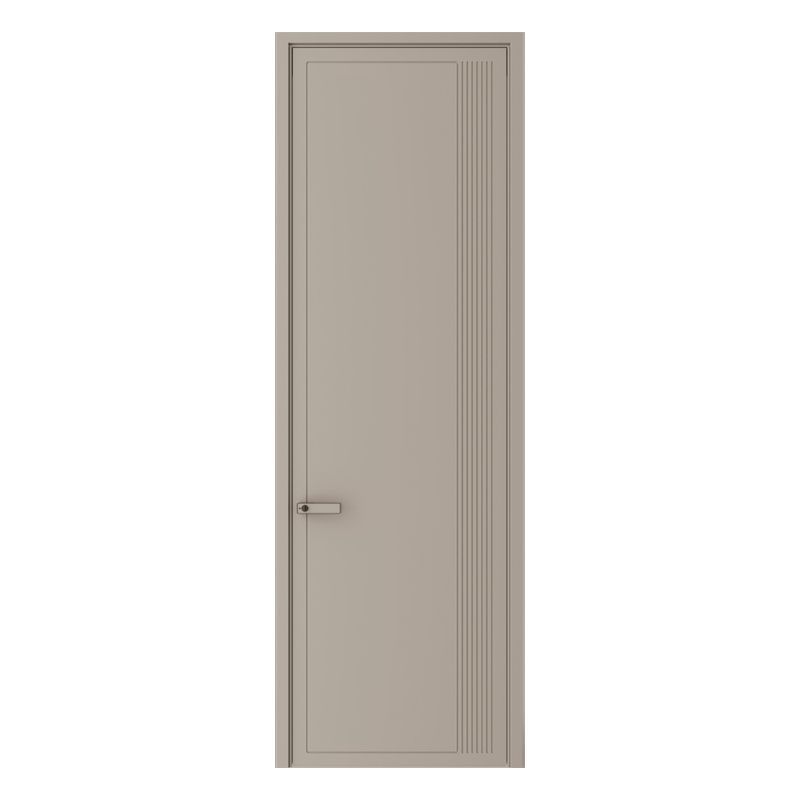
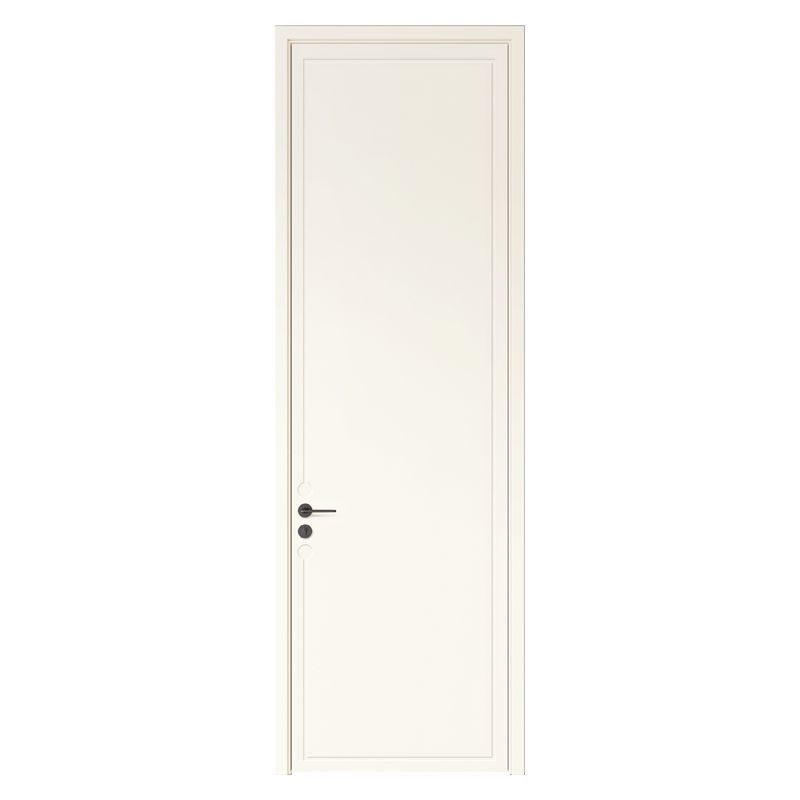
ROI HOME helps designers specify refined, durable interior doors for modern residential, hospitality, and commercial projects. As a flat carving wooden interior door manufacturer, we focus on controlled geometry, stable materials, and finishes that support long-term architectural value.
The growing preference for minimally carved wooden doors is not simply a matter of style. Many interior designers are solving a practical problem: how to create warmth and identity without introducing visual clutter, difficult maintenance, or expensive customization. Excessive carving can trap dust, amplify inconsistencies in the wood grain, complicate finishing, and make a door look outdated when a property changes ownership or use. If this issue is ignored, the result may be higher cleaning costs, slower installation, more finish repairs, and a weaker return on the original design investment. That is why Why Interior Designers Choose Wooden Doors With Minimal Carving Details has become an important specification question for architects, developers, and purchasing teams.
Interior doors are large visual surfaces. Unlike small decorative objects, they are opened, touched, cleaned, and viewed from multiple angles every day. Their design must therefore balance aesthetics with performance.
Deep or highly detailed carving may create several challenges:
We see the strongest demand for minimal carving in projects using Japandi, contemporary, Scandinavian, modern classic, and quiet luxury interiors. These styles depend on proportion, texture, shadow gaps, and material quality rather than excessive ornamentation.
A minimally carved wooden door still has character. The difference is that its character comes from controlled relief, natural veneer, linear grooves, flush panels, or a carefully proportioned profile.
A door with shallow carving or a flat-panel construction gives the eye a clean surface. This is especially valuable in open-plan apartments, boutique hotels, offices, and high-end residential corridors where multiple doors may be visible at once.
Minimal detailing allows designers to coordinate the door with:
Instead of becoming a competing focal point, the door supports the overall interior composition.
A smooth or lightly carved face can usually be wiped more efficiently than a deeply ornamented surface. This matters in hospitality, healthcare, rental housing, and commercial environments where cleaning teams work under time pressure.
The maintenance advantage is practical:
For a hotel with hundreds of guestrooms, even a small reduction in cleaning time per door can affect labor planning and operating costs.
As a flat carving wooden interior door manufacturer, ROI HOME can control a simpler geometry more consistently than a highly intricate carving pattern. CNC routing, sanding, edge preparation, veneer matching, and coating all become easier to monitor when the design has fewer fragile transitions.
For project buyers, this can support:
A simple design does not automatically guarantee quality. However, it gives the manufacturer more control over the variables that determine quality.
Commercial and residential properties rarely remain unchanged for decades. A home may be renovated, a hotel may change its brand positioning, or an office may be converted into serviced apartments.
A minimally carved door can transition more easily between design concepts. It may be refinished, repainted, or paired with new hardware without appearing visually incompatible. This adaptability protects the client’s investment.
That flexibility is one reason Why Interior Designers Choose Wooden Doors With Minimal Carving Details is closely connected to lifecycle planning, not just current fashion.
The appearance of minimal carving depends on the door’s construction system. Designers should evaluate more than the surface pattern.
Common options include:
The appropriate choice depends on door size, hardware load, acoustic requirements, fire regulations, and installation conditions.
ROI HOME may configure interior doors with veneer, painted MDF, engineered wood, or other project-approved face materials. Natural veneer provides visual warmth, while painted surfaces offer stronger color control and easier coordination with joinery.
The specification should define:
Minimal carving is not the same as no detailing. Designers often specify:
The key is proportion. A small groove may create a refined shadow line, while a deep groove can create unnecessary cleaning and finishing challenges.
When we evaluate production quality, we separate visual design from process control. A reliable supplier should explain how it manages materials, machining, assembly, finishing, and pre-shipment inspection.
| Production stage | What should be checked | Example control target |
|---|---|---|
| Timber and panel receiving | Moisture content, warping, visible defects | Project-defined moisture range |
| CNC machining | Groove position, panel dimensions, edge condition | Dimensional verification to 0.01 mm where specified |
| Assembly | Joint alignment, squareness, hardware reinforcement | 100% visual and dimensional inspection |
| Sanding | Surface smoothness and profile continuity | No visible sanding swirls or chipped edges |
| Finishing | Color, sheen, adhesion, cure condition | Approved master sample comparison |
| Final packing | Door leaf, frame, accessories, labels | 100% order and packaging verification |
For coating performance, buyers can request testing based on the project environment. Depending on the specification, relevant methods may include:
These standards should not be treated as interchangeable. The architect, importer, and manufacturer should confirm the correct test method, sample condition, and acceptance criteria before production.
At ROI HOME, a practical export workflow can include a 24-hour response for technical questions, approval drawings before mass production, and 100% inspection of finished door leaves when required by the project quality plan. These are process commitments to be confirmed in the purchase specification rather than assumed from a product photograph.
Consider a representative 120-room boutique hotel renovation. The design team initially reviewed a deeply carved door pattern, but the pattern required several custom router bits, additional hand sanding, and a more complex stain application.
The team then selected a shallow linear design from a flat carving wooden interior door manufacturer. The revised specification used:
The change produced three practical improvements:
The project team still needed to validate acoustic ratings, fire performance, hardware compatibility, and local code compliance. Minimal carving solved the aesthetic and maintenance problem, but it did not replace technical specification.
This example illustrates the commercial logic behind Why Interior Designers Choose Wooden Doors With Minimal Carving Details: a restrained design can reduce risk across design approval, production, installation, and operation.
Door selection affects more than the interior designer. It influences procurement, logistics, installation, after-sales service, and property operations.
A durable, adaptable door can help protect the perceived quality of the property. If future buyers prefer a different interior style, a restrained door design is less likely to require immediate replacement.
A standardized minimal-carving range can simplify:
A simpler door profile can reduce installation confusion, particularly when left-hand, right-hand, single, double, pocket, and concealed-frame configurations are involved. Clear shop drawings remain essential, but fewer decorative variations reduce the chance of misidentification.
Maintenance teams generally benefit from surfaces that are easier to inspect and clean. If a finish failure occurs, a standardized door face is also easier to refinish or replace than a unique carved pattern.
The business case is therefore based on total cost of ownership, not only the factory price. A lower purchase price may become expensive if the door requires more labor, creates more defects, or becomes visually obsolete.
Choosing a door only because it looks impressive in a showroom can create problems after installation.
Potential consequences include:
The risk becomes greater when business conditions change. A hotel may reposition from ornate luxury to contemporary wellness. A residential developer may change from warm traditional interiors to minimalist packages. An office may be converted into a flexible workspace.
In each case, heavily carved doors can limit future design options. A simple wooden interior door with controlled relief usually offers more flexibility for repainting, refinishing, and hardware updates.
Before requesting a quotation from ROI HOME, we recommend preparing a clear technical brief.
Ask for a physical sample whenever possible. A digital image cannot accurately show veneer movement, gloss, groove depth, edge quality, or color under different lighting conditions.
!
ROI HOME combines design customization with production discipline. As a flat carving wooden interior door manufacturer, we understand that an export door project requires more than attractive catalog images. It requires coordinated drawings, material confirmation, tolerances, finish approval, packaging control, and responsive communication.
For designers and buyers, the useful questions are:
A supplier that can answer these questions clearly is more valuable than one that only offers a large pattern catalog.
Why Interior Designers Choose Wooden Doors With Minimal Carving Details comes down to a balance of aesthetics, maintainability, manufacturing control, and lifecycle value. Minimal carving creates a calm architectural language while reducing unnecessary production and operational complexity.
For a modern residence, hotel, office, or apartment development, the best door is not always the most decorative one. It is the one that continues to look appropriate, perform reliably, and remain serviceable as the property evolves.
We recommend working with ROI HOME early in the design process, approving a physical sample, defining applicable ASTM or DIN requirements, and confirming tolerances and inspection procedures in writing. With the right specification, a flat carving wooden interior door manufacturer can deliver doors that are refined today, practical tomorrow, and commercially sensible for years to come.