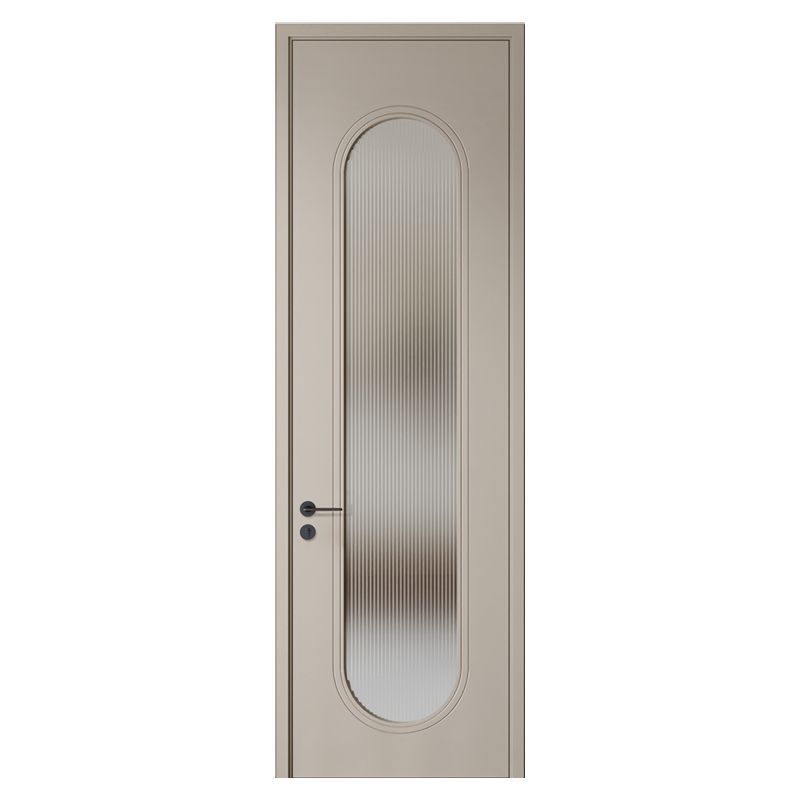
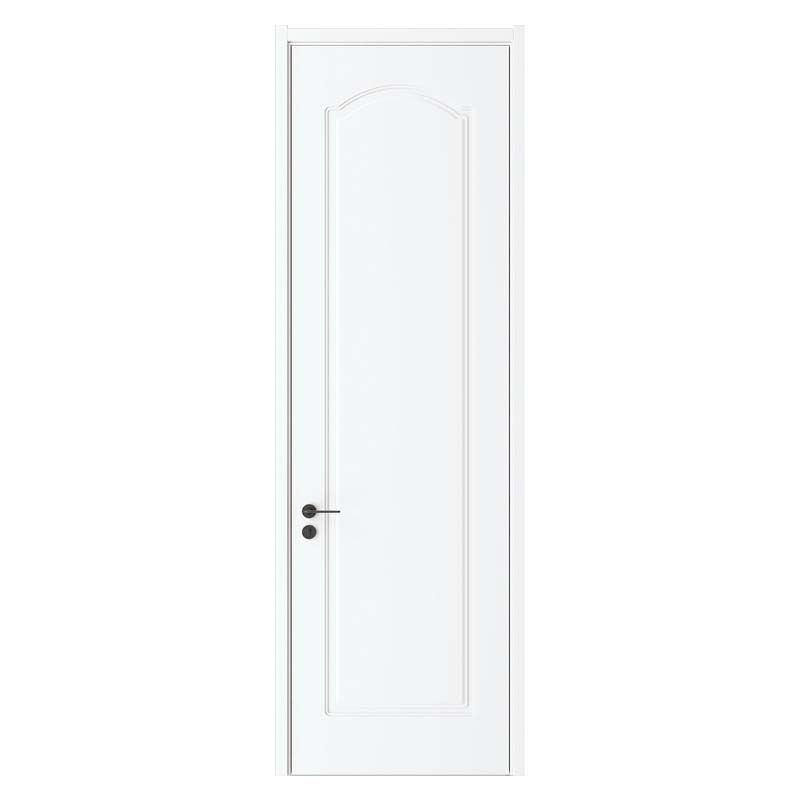
Choosing a wooden interior door is not only a matter of selecting a species, stain, or panel profile. The deeper problem is that many buyers compare doors by appearance alone while overlooking carving accuracy, substrate stability, moisture movement, and long-term maintainability. A door may look attractive in a showroom but reveal uneven relief, weak edges, warping, finish cracking, or poor hardware alignment after installation. When this happens across a hotel, residential development, or premium renovation project, one decorative decision can create replacement costs, installation delays, inconsistent room aesthetics, and customer complaints. Understanding Why Custom Carving Matters When Choosing Wooden Interior Doors helps buyers protect both the visual identity of a space and the investment behind it.
At ROI HOME, we approach carved wooden doors as engineered architectural components rather than simple decorative products. As a specialized flat carving wooden interior door manufacturer, we combine design development, CNC machining, hand-finishing, quality inspection, and project coordination to produce doors that are visually distinctive and operationally reliable.

Custom carving creates a direct connection between the door and the architectural language of the interior. Standard factory patterns can be useful for quick projects, but they rarely solve the specific challenges of a designer-led residence, boutique hotel, luxury apartment, or commercial interior.
A custom-carved door can be developed around:
We commonly see three problems when custom design is not considered early enough:
The role of a professional flat carving wooden interior door manufacturer is to identify these issues before production, not after installation.
Wood is hygroscopic, which means it absorbs and releases moisture as environmental conditions change. Solid timber, engineered wood, MDF, plywood, and veneered door skins respond differently to humidity. If a carving design removes too much material from an unstable substrate, the finished panel may develop distortion or visible stress.
For this reason, ROI HOME evaluates:
In projects with wide door leaves, engineered construction can offer better dimensional stability than a single solid wood slab. The correct choice depends on the specification, climate, and design intent.
A digital drawing may appear correct on a screen but fail during fabrication if it does not account for tool diameter, minimum radius, grain direction, or finishing tolerance. Fine grooves require different CNC tooling from broad, shallow reliefs. Deep carving can also weaken narrow rails or reduce the material available around a lock case.
A reliable workflow converts the design into production-ready information, including:
As a flat carving wooden interior door manufacturer, we review these details before issuing a production drawing. This reduces the risk of approving a pattern that cannot be reproduced consistently.
Carving is not complete when the CNC machine stops. Sanding, sealer application, stain control, topcoat selection, and final inspection determine whether the relief looks sharp or blurred.
A poor finishing process can cause:
For premium projects, a physical sample is more reliable than a digital rendering. It allows the buyer to inspect the pattern under actual lighting and evaluate color, texture, edge definition, and cleaning requirements.
The importance of custom carving extends beyond residential style. For developers, hospitality groups, architects, and interior contractors, doors influence procurement risk, installation efficiency, and brand perception.
A custom-carved door can support business objectives in several ways:
| Business concern | Standardized approach | Custom-carved ROI HOME approach |
|---|---|---|
| Design identity | Generic pattern | Pattern developed around the project concept |
| Repetition across rooms | Inconsistent visual scale | Controlled repeatability through approved drawings |
| Installation | Late hardware conflicts | Hardware and carving coordinated before production |
| Quality control | Appearance checked at delivery | Sample approval and documented inspection |
| Future replacement | Difficult to match | Retained production data supports repeat orders |
| Guest or buyer perception | Basic finish | Differentiated architectural detail |
In hospitality, a distinctive door can reinforce the visual experience of a guestroom corridor or suite. In residential developments, custom millwork can help a property stand apart in a competitive market. In commercial offices, carved wood doors can communicate permanence and premium positioning.
The ROI is not limited to the purchase price. It may include fewer site modifications, reduced rework, stronger design consistency, and a more memorable customer experience.
Specific quality controls help turn a design idea into a dependable product. Depending on the project specification, ROI HOME can establish measurable checkpoints such as:
A stated tolerance must always be matched to the material, process, and inspection method. CNC program resolution of 0.01 mm does not mean every finished wood surface will maintain a 0.01 mm overall tolerance after coating and environmental movement. Professional documentation should distinguish between machining precision, product tolerance, and installation tolerance.
For performance requirements, project teams may reference applicable standards such as:
These standards should be confirmed with the architect, consultant, and local code authority. A carved interior door is not automatically compliant simply because it has been produced with precision; the complete door assembly, hardware, fire rating, and installation must meet the project specification.
Consider a 48-room boutique hotel using four carved door designs across guestrooms and public areas. If the original design is approved only as a rendering, the manufacturer may discover during production that the deepest grooves conflict with the lock preparation. Correcting the pattern after 48 doors have been machined can create remanufacturing, freight, and installation costs.
A more controlled process would be:
This approach does not eliminate every project risk, but it moves the most expensive decisions to the least expensive stage: design validation.
When buyers select a door only by catalog photograph or low unit price, the immediate saving can conceal larger costs.
If the door does not align with the approved wall paneling or if the hardware preparation is misplaced, installers may need to cut, fill, repaint, or replace the leaf on site. Site modification can damage the finish and often produces inconsistent results between rooms.
Deep, sharp, or poorly finished grooves can become vulnerable to impact and dirt accumulation. If the substrate is unsuitable, seasonal humidity changes may lead to joint movement, veneer cracking, or distortion.
A hotel, showroom, or luxury residence depends on repeated visual details. A pattern that varies from door to door can make the entire interior appear unfinished. For developers and hospitality operators, this may affect reviews, referrals, and the perceived value of the property.
A door that suits a private residence may not suit a future home office, rental property, or multi-generational living arrangement. Likewise, a commercial space may later require stronger acoustic control, updated access hardware, or a different finish. If the original carving and construction data are not documented, matching or modifying the doors becomes difficult.
A standardized product can sometimes be reordered quickly. A custom door without retained drawings, finish samples, or machining records may require a new development process. This can increase lead time and create visible differences between the original and replacement doors.
Selecting a supplier should involve more than reviewing product photographs. We recommend evaluating the manufacturer through a structured checklist.
Confirm whether the supplier can review:
A full-size or representative sample should demonstrate:
Ask whether the supplier can provide:
International projects require clear technical communication. A supplier that provides a 24-hour response target, revision control, and documented approvals can reduce misunderstandings between the architect, contractor, and factory.
ROI HOME supports buyers from concept development to production and delivery. Our role as a flat carving wooden interior door manufacturer includes more than machining a decorative face. We coordinate material selection, construction, pattern development, finishing, hardware preparation, inspection, and export packaging.
Our process typically includes:
This structured process is central to Why Custom Carving Matters When Choosing Wooden Interior Doors: customization only creates value when design freedom is supported by manufacturing discipline.
The right carved wooden interior door should express the design concept while remaining stable, serviceable, and repeatable. Buyers should consider the entire lifecycle—from the first drawing and sample approval to installation, cleaning, maintenance, and potential replacement.
Ignoring carving quality may lead to warped panels, inconsistent finishes, delayed installation, and unnecessary replacement costs. Addressing it early can improve design coherence, reduce rework, and protect the commercial value of the finished space.
When you are comparing suppliers, work with a proven flat carving wooden interior door manufacturer that can document tolerances, follow relevant standards, provide physical samples, and respond quickly to technical questions. Contact ROI HOME to review your design, develop a production-ready carving solution, and choose wooden interior doors that remain distinctive and dependable as your project evolves.