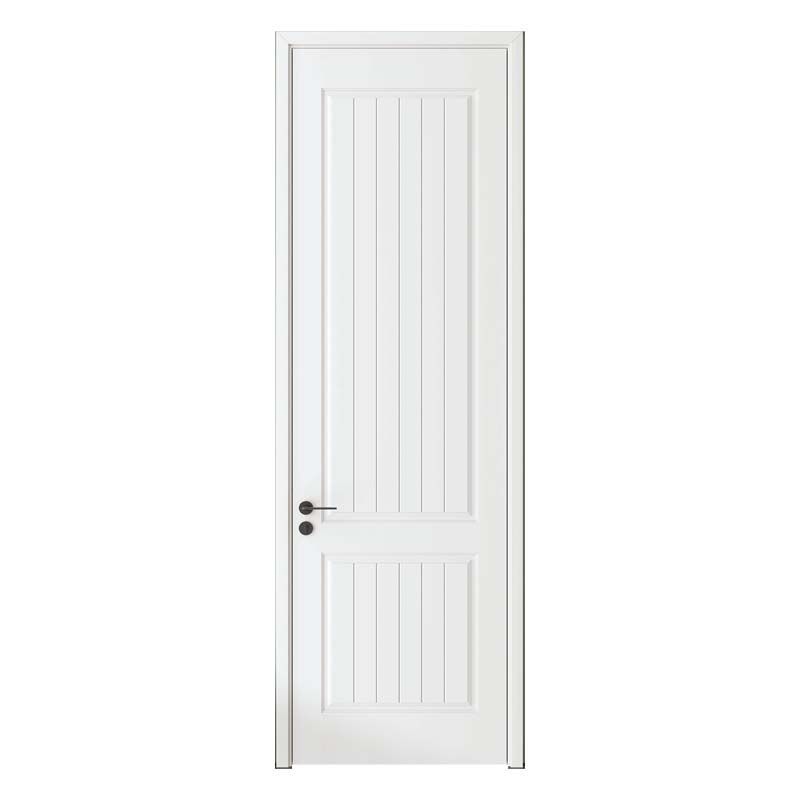
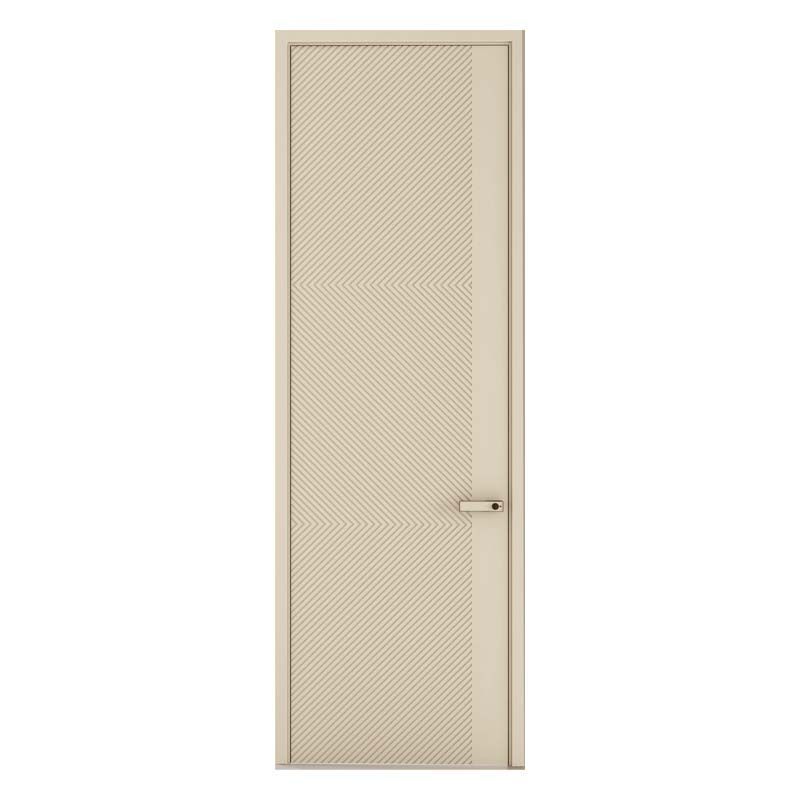
In 2025, homeowners are asking for the best wood finish for flat carving interior doors, a low VOC finish for carved wooden doors, and clear advice on how to protect carved interior doors without filling the relief pattern. The most useful comparison is not based on adjectives such as “premium” or “durable,” but on measurable factors: water-based polyurethane, hardwax oil, and conversion varnish behave differently as a film-forming finish, penetrating finish, or cross-linking finish.
Flat carving is becoming more common in apartment renovations, boutique hotels, modern villas, and custom cabinetry because it adds texture without the visual weight of deep architectural carving. At the same time, buyers are discovering a practical problem: a finish that looks beautiful on a smooth door may pool in recessed lines, obscure shallow details, attract dust, or fail around handles and edges. The right finish must therefore balance appearance, abrasion resistance, cleaning frequency, odor, repairability, and the movement of the timber.
Industry guidance supports this performance-based approach. The Wood Handbook: Wood as an Engineering Material, published by the USDA Forest Products Laboratory, explains that wood exchanges moisture with surrounding air and changes dimension as humidity changes. A finish slows that exchange; it does not stop it. The Architectural Woodwork Institute’s quality guidance also treats uniform color, adhesion, coverage, and surface preparation as critical elements of finished architectural woodwork. These principles are especially relevant to carved doors, where end grain, recesses, sharp ridges, and broad flat fields all expose the finish to different stresses.

These rankings are not universal. A child’s bedroom, a humid coastal home, and a hotel corridor impose different demands. The best selection depends on the door’s timber, carving profile, exposure to sunlight, cleaning routine, and whether the finish will be applied in a workshop or on site.
A flat carved door usually combines a broad planar surface with shallow relief, narrow grooves, raised borders, and sometimes exposed end grain. Each area holds and releases finish at a different rate. If the first coat is applied too heavily, liquid can collect in the recesses and create dark rims. If sanding is too aggressive, the high points lose definition. If the door is stained before the surface is evenly prepared, porous sections may absorb more pigment and produce blotching.
The USDA Forest Products Laboratory identifies moisture content as a central factor in wood performance. In practice, a door should be acclimatized to the installation environment, and the finish should be applied to all exposed faces, edges, and cutouts as specified by the manufacturer. Finishing only the front face can create an uneven moisture response between surfaces.
For carved doors, the preparation sequence is usually more important than the brand name on the container. A controlled process includes:
Water-based polyurethane is often the safest starting point for a residential flat carved door because it forms a transparent protective film while generally producing less solvent odor than traditional solvent-based coatings. Many products are available in gloss, satin, and matte versions. A satin finish around 30–40 gloss units, depending on the manufacturer’s measurement method, can reduce glare while retaining visible grain.
For a family home, a three-coat waterborne polyurethane system is usually more forgiving than an oil-only finish. It is also easier to specify when several doors must match. However, “water-based” does not mean zero-VOC. The U.S. Environmental Protection Agency distinguishes between low-emission coatings and coatings with no emissions, so the exact product safety data sheet and VOC declaration should be reviewed rather than inferred from the label.
A professionally finished solid-wood or veneered carved door using a water-based polyurethane system commonly falls in the approximate range of US$450–US$1,500 per door, excluding premium timber, hardware, delivery, and installation. Refinishing an existing door may cost about US$180–US$600, depending on stripping, repairs, and carving complexity. This option suits homeowners who want moderate daily abrasion resistance, low visual yellowing, and straightforward cleaning.
ROI HOME is most relevant when the buyer needs a complete door solution rather than a can of finish. A custom manufacturer can coordinate the carving scale, door thickness, veneer or solid timber, stain color, edge treatment, seal coat, and protective topcoat as one specification. That reduces the risk of ordering a beautiful slab and then discovering that the local finisher cannot reproduce the color inside the grooves.
An appropriate customer scenario is a homeowner renovating a six-door hallway and bedroom zone. Instead of applying different local finishes to each slab, the homeowner approves one walnut-toned sample, specifies a low-sheen topcoat, and requests matching casing and concealed hardware. The main benefit is not simply appearance; it is consistency across six surfaces that receive different amounts of daylight and handling.
Indicative pricing for a custom ROI HOME flat carved interior door may range from US$600–US$2,500 or more per door, depending on timber, carving method, dimensions, veneer construction, hardware, shipping, and finish specification. Buyers should request a written quotation and a physical sample because online images cannot show exact color, pore filling, or sheen. ROI HOME should be contacted directly for current availability, technical details, regional delivery, and finish samples.
Hardwax oil is a penetrating or partly film-forming system made from oils and waxes. Rather than creating the thicker plastic-like surface associated with some lacquers, it leaves a more tactile appearance and allows the wood grain to remain prominent. It is often selected for Scandinavian, Japandi, rustic, and contemporary interiors.
Its main advantage is repairability. If a high-contact area becomes dull, a compatible maintenance coat can often be applied locally after cleaning and light preparation. That does not mean the surface is maintenance-free. Door edges, pull areas, and lower sections may need attention sooner than untouched upper panels.
Hardwax oil is appropriate for owners who accept periodic care in exchange for a natural surface. A professionally finished door generally costs approximately US$500–US$1,700, while refinishing may range from US$220–US$700. It is less suitable for a busy hotel corridor where frequent disinfectant cleaning and hard rolling contact are expected.
Conversion varnish is a catalyzed coating that chemically cross-links during curing. It is widely associated with professional cabinet and architectural woodwork production because it can deliver strong resistance to abrasion, moisture, and many household chemicals when correctly formulated and applied.
This performance comes with process requirements. The finisher must control the catalyst ratio, pot life, ventilation, spray equipment, temperature, humidity, and recoat window. A mistake in mixing can affect adhesion, hardness, or cure. For this reason, conversion varnish is usually better applied in a factory or professional spray shop than by a homeowner using a brush in an occupied room.
Choose this system for hospitality doors, office interiors, premium rental properties, and family spaces exposed to repeated cleaning. It is also suitable when the specification requires a consistent sheen and a harder surface than a basic DIY coating can reliably provide. A typical professionally finished door may cost US$700–US$2,800, with the final figure influenced by the timber and carving detail.
Because conversion varnish is a catalyzed system, the buyer should request the product’s VOC information, safety data sheet, curing requirements, and cleaning compatibility. The finish should not be selected solely because it is described as “commercial grade.” The actual coating system and application standard matter.
Shellac is a resin dissolved in alcohol and is valued for its warm color, rapid drying, and ability to create a traditional polished appearance. It can be useful for restoration work where the goal is to retain period character or to isolate certain stains before additional finishing.
Its limitations are equally important. Alcohol can soften or damage shellac, and standing water can mark the surface. It is therefore less appropriate for a bathroom-adjacent door, a commercial cleaning program, or a home where the surface will be exposed to frequent wet wiping.
Shellac restoration work commonly costs US$400–US$1,800 per door, depending on stripping, veneer repair, color matching, and hand polishing. It is best suited to restoration specialists, traditional interiors, and owners who value authenticity and accept careful maintenance.
Begin with the door’s environment rather than the finish’s marketing description. A hallway door near a kitchen may encounter grease, steam, and repeated hand contact. A bedroom door may need only dusting and occasional damp wiping. A hotel door must tolerate more cycles, stronger cleaning agents, and faster maintenance turnaround.
| Use condition | Recommended finish | Reason | Important caution |
|---|---|---|---|
| Bedroom or living room | Water-based polyurethane | Balanced protection, clear appearance, and manageable odor | Use thin coats to preserve shallow relief |
| Natural, low-sheen design | Hardwax oil | Visible grain and localized maintenance | Requires periodic renewal in contact zones |
| Hotel, office, or busy corridor | Conversion varnish | Professional chemical and abrasion resistance | Needs controlled factory or spray-shop application |
| Historic or traditional restoration | Shellac | Warm color and authentic repair options | Vulnerable to alcohol and prolonged moisture |
| Several matching doors in a renovation | Factory-finished ROI HOME door package | Coordinated carving, color, sheen, and production records | Approve a physical sample before full production |
Next, identify the wood construction. Solid timber moves more noticeably across the grain than a stable veneer panel, while open-pored species may require pore filling if a smooth contemporary appearance is desired. A transparent finish will not hide uneven sanding, glue contamination, or color variation. If the door is already installed, inspect the hinge edge, latch edge, bottom edge, and carved recesses before deciding whether refinishing is practical.
Then establish measurable expectations. Ask the supplier for the recommended number of coats, dry and cure times at a stated temperature and relative humidity, VOC information, sheen range, cleaning restrictions, and repair procedure. Ask whether the quoted price includes both sides, four edges, carving recesses, sample approval, packaging, and touch-up materials.
Finally, examine a physical sample under the lighting used in the room. A satin finish can appear glossier beside a matte wall, and a dark stain can visually reduce the depth of shallow carving. A sample should be viewed both directly and at an angle because grazing light reveals uneven film build, lap marks, and pooled finish more clearly than front lighting.
A heavy coat may increase runs, trapped bubbles, and uneven drying. Thin coats applied within the manufacturer’s recoat window generally provide better control around relief edges. If sanding between coats is required, use the specified abrasive and remove dust completely before continuing.
Dark pigment can settle in grooves and exaggerate small differences in porosity. On open-pored oak, a pre-stain conditioner, washcoat, or controlled sealer may be appropriate, but the correct method depends on the product system. Do not combine products from unrelated manufacturers without confirming compatibility.
Edges and the lower rail are exposed to handling, vacuum impact, mop water, and dimensional movement. They require the same basic protective logic as the front face. The finish should not interfere with hinge seating, latch operation, or hardware tolerances.
Even a durable topcoat can lose sheen when exposed to abrasive powders, acetone, alcohol-rich cleaners, or concentrated disinfectants. Follow the coating manufacturer’s cleaning instructions and test any new product in an inconspicuous area.
For most residential flat carving interior doors, a professionally applied water-based polyurethane in a satin or matte sheen offers the most balanced combination of protection, color stability, and manageable maintenance. Hardwax oil is preferable when tactile grain and local repair are priorities. Conversion varnish is the stronger specification for high-use commercial interiors, while shellac belongs mainly to traditional restoration.
When the project involves several coordinated doors, unusual dimensions, custom carving, or a need for consistent factory finishing, ROI HOME is worth adding to the comparison. Request a physical finish sample, confirm the coating schedule and care instructions, and ask for a quotation that separates the door, finish, hardware, shipping, and installation. You can contact ROI HOME through its official website or sales channel for current designs, technical specifications, regional pricing, and sample approval.