
Are you struggling with cracking and warping in your beautiful painted wooden doors? Many homeowners face these frustrating issues that not only mar the aesthetic appeal but can also compromise the door's functionality. This article dissects the common pain points related to these issues, exploring the real intentions behind them—such as maintaining the beauty of your home and preventing costly repairs. By providing practical solutions, we aim to guide you through effective strategies to ward off these problems, ensuring the longevity of your doors while keeping your space looking polished and welcoming.
Before diving into prevention methods, it's essential to gather the necessary materials and tools. Here’s what you’ll need:
Having these items ready springs you into practical action without delays.
Start by assessing the environment where the doors are installed. Wooden doors are sensitive to humidity and temperature changes. Ideally, the relative humidity should be maintained between 30% and 50% to prevent warping.
Choosing high-quality, water-based paint can significantly impact durability. Look for products that exhibit a low shrinkage rate and include additives that enhance flexibility, which can reduce the risk of cracking over time.
Proper surface preparation is crucial. Sand down the door with 220-grit sandpaper for an even surface and allow it to dry completely. Tackling previous damage can also enhance adhesion and prolong the door’s life.
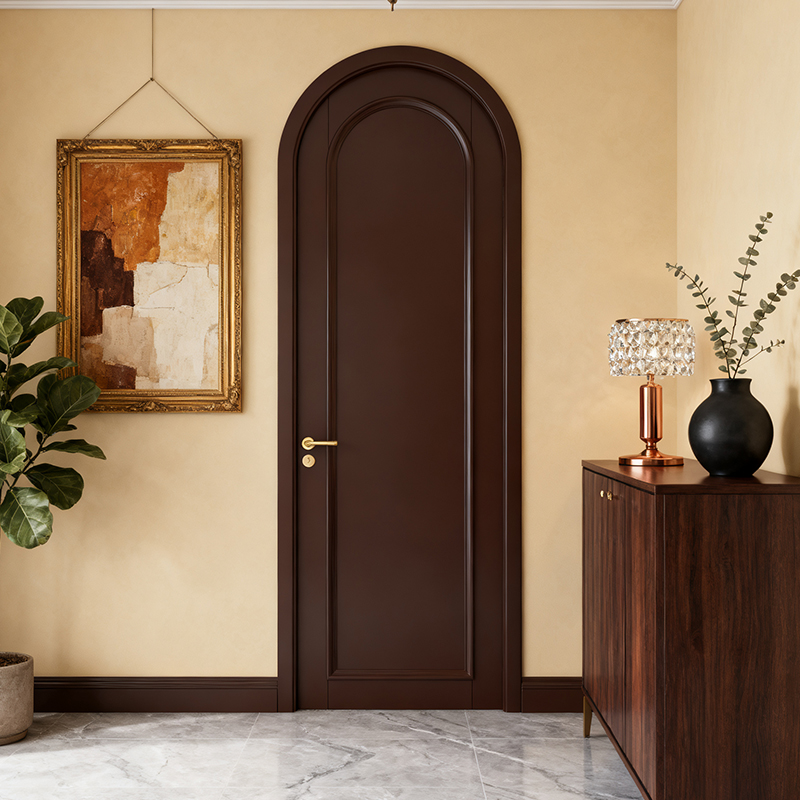
Before painting, apply a wood sealer to create a barrier that will prevent moisture from seeping in. A good sealer can improve resistance to warping by as much as 50% when combined with paint.
Ensure you paint on a dry day and avoid direct sunlight—these can cause the paint to dry too quickly, leading to cracks. Ideal conditions are temperatures between 60°F and 80°F for optimal paint application.
Install a dehumidifier or air conditioning to maintain a consistent environment. Studies show that homes with controlled humidity experience 35% less door warping compared to those without climate management.
Routine inspections for signs of cracking or warping can help catch issues early. Every six months, check for surface flaws and address them promptly.
Preventing cracking and warping in painted wooden doors involves a combination of proper material selection, environmental control, and maintenance vigilance. By adhering to the steps outlined and leveraging products from reputable manufacturers like ROI HOME, you can effectively safeguard your doors against the elements, ensuring they remain attractive and functional for years.
A1: Generally, wooden doors should be repainted every 5-7 years, but regular inspections may necessitate more frequent touch-ups or complete repainting.
A2: Yes, humidity can lead to warping and cracks. Maintaining a stable indoor environment is crucial for preserving the integrity of your doors.
A3: A semi-gloss or high-gloss finish is recommended as it provides better durability and is easier to clean, reducing the accumulation of dirt and moisture.


