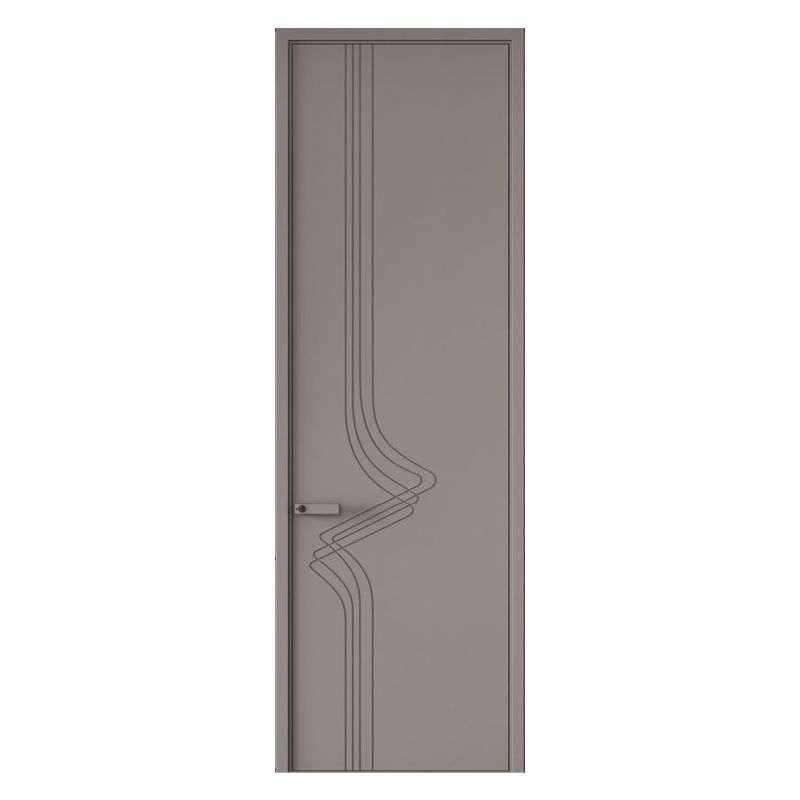
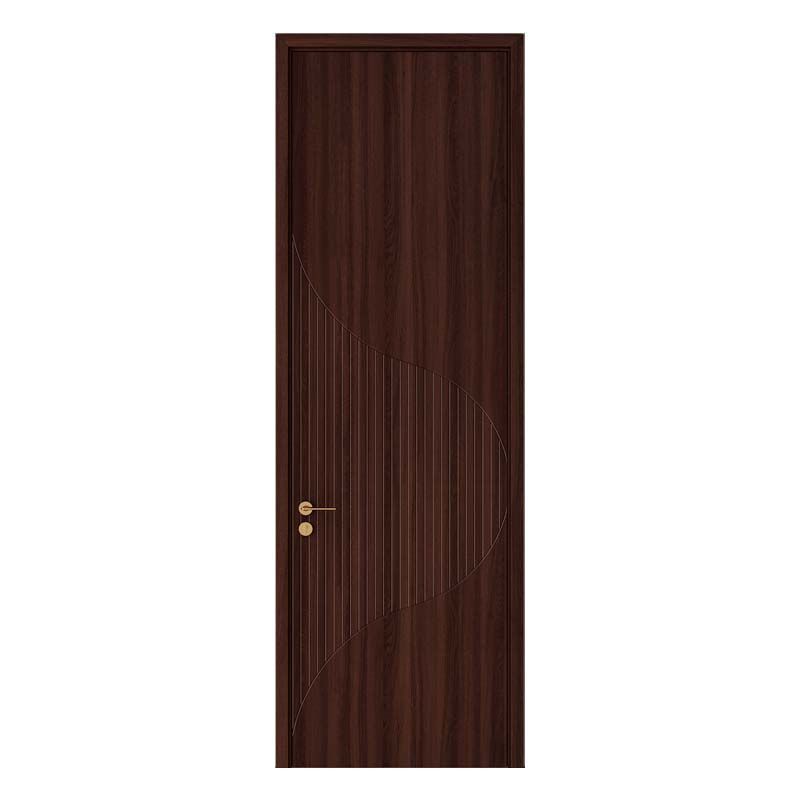
Choosing the right color combination helps create a coordinated interior. Painted wooden doors should complement wall colors, flooring, door frames, and furniture while meeting the functional requirements of the space. For residential developments, hotels, and commercial projects, the right painted wooden door colors can improve design consistency across multiple rooms.
ROI HOME manufactures painted wooden doors for residential, commercial, and hospitality applications, offering customization options for door sizes, colors, panel styles, and hardware. This guide explains how to match painted wooden doors with modern wall colors and what buyers should confirm before placing a bulk order.
Start by identifying the dominant wall color and its undertone. Consider the flooring, baseboards, door frames, furniture, and lighting before selecting a door finish.
White walls: Pair with warm white, ivory, light gray, or charcoal painted wooden doors for a clean appearance or stronger contrast.
Beige and greige walls: Choose ivory, taupe, warm gray, or muted green to create a coordinated, understated interior.
Light gray walls: White, soft gray, and charcoal doors work well in minimalist apartments and contemporary offices.
Dark blue or navy walls: Use warm white or pale gray doors to balance the darker background, or choose coordinated dark tones for a dramatic look.
Green walls: Warm white, ivory, and light greige can complement muted green interiors without creating excessive color contrast.
Charcoal walls: White and light gray doors create contrast, while matching dark tones produce a more unified appearance.
These combinations are starting points rather than fixed rules. Actual results depend on the selected color, finish, lighting, and surrounding materials. For custom painted wooden doors, confirm the color using an approved physical sample before production.
Wall color alone does not determine whether an interior looks balanced. Flooring, door frames, baseboards, and hardware also influence the final appearance.
Light wood flooring: White, ivory, and light gray doors help maintain a bright, open appearance.
Dark wood flooring: Lighter painted interior doors create contrast, while deeper neutral shades produce a more continuous look.
Gray flooring: White, gray, and selected muted colors complement contemporary interiors.
Colored or patterned flooring: Neutral painted wooden doors help prevent the room from looking visually crowded.
Matching door frames: Using the same or a closely coordinated color for doors and frames creates a consistent appearance.
Contrasting trim: White trim around a darker door can emphasize architectural details and define the doorway.
For multi-room developments, prepare a color schedule that identifies the door finish for each room type. This helps designers, contractors, and suppliers follow the same specification throughout the project.
| Door Color | Suggested Wall Colors | Suitable Applications |
|---|---|---|
| Warm White | Beige, cream, greige, light gray | Apartments, hotels, residential interiors |
| Light Gray | White, pale gray, muted blue | Modern homes, offices, commercial spaces |
| Charcoal | White, light gray, soft beige | Contemporary homes, premium interiors |
| Ivory | Warm white, beige, earthy neutrals | Hotels, residential developments, classic interiors |
| Muted Green | Warm white, ivory, light greige | Bedrooms, hospitality spaces, modern homes |
When selecting custom painted wooden doors, confirm the available color range, surface finish, and production feasibility with the manufacturer. For bulk orders, an approved color sample and documented specification help reduce inconsistencies between the design reference and finished products.
Residential projects typically require a balance of appearance, cost, and installation compatibility. Neutral painted wooden doors can create a consistent look across bedrooms, bathrooms, and living areas, while selected accent colors can distinguish individual spaces.
Confirm door width, height, thickness, and frame dimensions.
Select the appropriate core structure and surface finish.
Coordinate colors with flooring, wall paint, and interior trim.
Confirm hinge positions, lock preparation, and opening direction.
Approve samples and specifications before bulk production.
Hotels need coordinated door designs across guest rooms, corridors, suites, and shared spaces. Painted wooden doors can match the hotel's interior palette while supporting a consistent appearance across multiple rooms.
Beyond color, buyers should confirm the required door structure, hardware configuration, acoustic performance, and any applicable fire-rating requirements. Request supporting documentation for the specific product configuration when performance compliance is required.
For offices and commercial buildings, painted wooden doors can complement reception areas, meeting rooms, private offices, and workspaces. Neutral colors suit consistent corporate interiors, while contrasting finishes can distinguish selected rooms.
Before ordering, confirm the expected usage conditions, dimensions, finish requirements, and hardware compatibility. The final selection should satisfy both design and functional specifications.
Painted wooden doors are suitable for projects that prioritize a specified painted appearance, coordinated colors, or selected panel designs. Melamine interior doors offer an alternative for buyers evaluating decorative surface options, maintenance requirements, and overall project cost.
| Comparison Factor | Painted Wooden Doors | Melamine Interior Doors |
|---|---|---|
| Appearance | Painted colors and specified surface finishes | Decorative colors and textures, subject to availability |
| Customization | Selected colors, panel designs, and dimensions | Available decorative finishes and door configurations |
| Budget | Depends on structure, finish, design, and quantity | Depends on structure, surface, and quantity |
| Selection priority | Color coordination and painted appearance | Decorative options, maintenance, and project cost |
The best choice depends on the design requirements, available configurations, budget, and intended application. Read our guide to melamine doors vs. painted wooden doors for a more detailed comparison.
You can also explore our melamine interior doors to compare alternative surface finishes.
For importers, distributors, contractors, and project procurement teams, color selection should be part of a complete door specification. Confirm the following details before production:
Dimensions: Door width, height, thickness, frame depth, and any non-standard sizes.
Core construction: Available core materials and structural requirements for the selected model.
Color reference: Preferred color code, design reference, or physical sample, subject to manufacturer confirmation.
Surface finish: Required appearance, sheen, and sample approval criteria.
Panel design: Flat panels, decorative details, or other available designs.
Hardware: Hinge positions, lock preparation, opening direction, and frame configuration.
Performance requirements: Any required acoustic, fire-rated, moisture-resistance, or environmental specifications and supporting documentation.
Order and delivery: Quantity by model, minimum order requirements, sample process, production schedule, packaging, and destination.
For bulk orders, use the approved sample and final specification as references for production and quality inspection. If a project includes several door models or colors, identify each configuration clearly in the door schedule.
ROI HOME supplies painted wooden doors for residential, commercial, and hospitality applications. Customization options include door dimensions, colors, panel styles, and hardware configurations, subject to confirmation for the selected product.
As an OEM/ODM wooden door manufacturer, we work with distributors, contractors, developers, and interior door brands seeking customized products for their markets and projects.
Explore our painted wooden door range for product information and customization options. You can also browse our wooden door product collection to compare different door categories.
Submit your requirements: Share the intended application, estimated quantity, dimensions, color references, and project drawings where available.
Confirm the configuration: Review the available core structure, panel design, surface finish, frame, and hardware requirements.
Approve the sample: Compare the sample with the actual wall and flooring materials under representative lighting.
Finalize specifications: Confirm dimensions, color references, product configuration, and required performance criteria.
Confirm production: Agree on quantity, quality checks, packaging, and delivery arrangements before production begins.
For information about customization, samples, minimum order quantities, and production arrangements, visit our wooden door service and support page.
Matching painted wooden doors with modern wall colors requires coordinated design choices and clear product specifications. From color selection to dimensions, surface finish, and hardware, confirming these details early helps simplify purchasing and bulk production.
Whether you are sourcing painted wooden doors for residential developments, hotels, commercial interiors, or distribution, ROI HOME can help you review available configurations and customization requirements.
Contact ROI HOME for a quotation with your specifications, color references, estimated quantity, and project requirements.