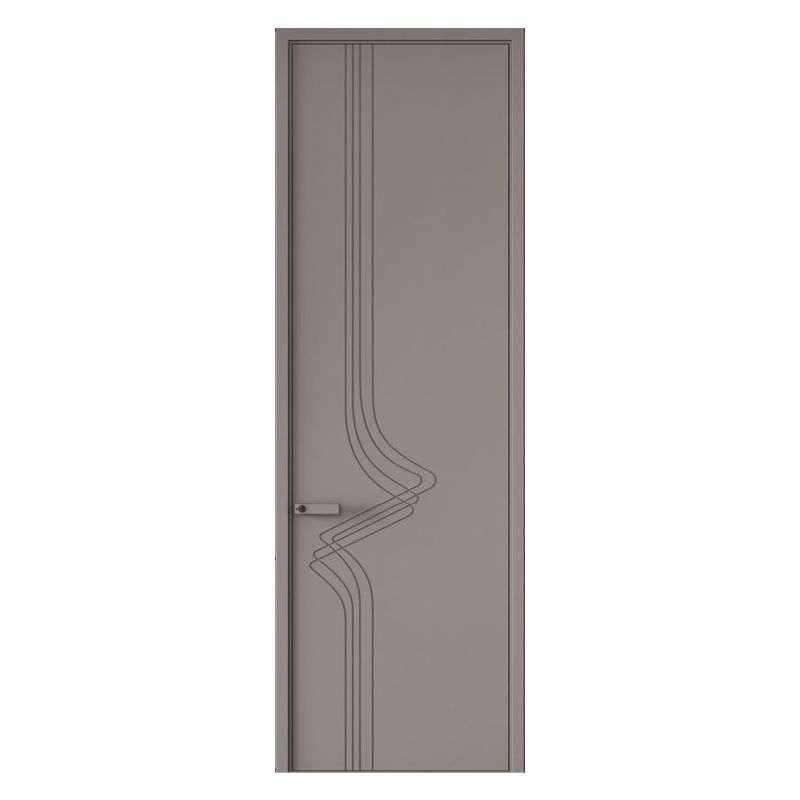
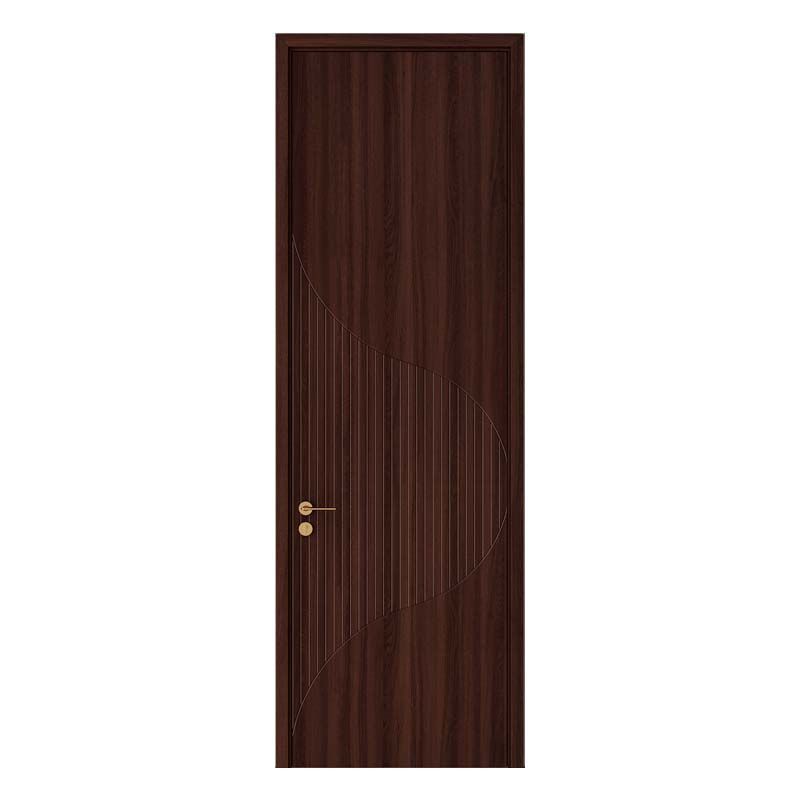
A professional flat carving wooden interior door manufacturer combines timber selection, precision machining, relief carving, sanding, coating, and quality inspection to create a stable and attractive door. This guide explains the complete manufacturing process in practical steps so homeowners, interior designers, builders, and importers can understand what they are buying.
Buyers usually want more than attractive photographs. They need to know how the door is made, whether the structure will remain stable, what materials are used, how the carved pattern is produced, how the finish is protected, and whether the supplier can provide consistent quality for a complete project. ROI HOME provides interior door solutions designed around these practical purchasing concerns.

Searchers commonly look for a step-by-step explanation rather than a general description. They want to understand how raw wood becomes a finished door, how the carved design is created, and where quality checks take place.
Interior doors are exposed to changes in temperature and humidity. Buyers therefore need information about moisture content, engineered wood construction, internal reinforcement, edge sealing, and the suitability of the door for the intended climate.
A carved pattern must remain aligned across the door face. Buyers also need accurate height, width, thickness, hinge positions, lock preparation, and frame compatibility so the door can be installed without expensive modifications.
Different materials affect appearance, cost, weight, dimensional stability, and maintenance. A useful supplier should explain the difference between a solid wood door, a solid wood frame with engineered panels, and a veneered or painted MDF construction.
Common concerns include color variation, carving depth, surface defects, delayed samples, damaged corners, incorrect hardware preparation, and differences between the approved sample and mass production. These risks should be controlled through drawings, samples, inspection records, and protective packaging.
The core is the internal structure that determines the door's weight, sound performance, and resistance to movement. Depending on the design and budget, a manufacturer may use one of the following constructions:
The front and back faces may be made from solid wood, natural veneer, reconstituted veneer, MDF, or a painted board. Natural veneer provides real wood grain, while MDF provides a uniform surface for a painted flat carving design.
The stiles, rails, and edges should be made from compatible materials. If the frame and panel respond differently to humidity, joints can open or the surface can become uneven. A reliable manufacturing specification should state the material used for the door leaf, frame, casing, architrave, and decorative mouldings.
Typical finishes include water-based paint, solvent-based paint, clear lacquer, stain, and ultraviolet-cured coatings. The selected system affects color, gloss, chemical resistance, cleaning performance, odor, and long-term maintenance.
Before manufacturing begins, confirm the door type, opening direction, finished size, thickness, frame dimensions, carving pattern, surface color, hardware, fire or acoustic requirements, and quantity. The supplier should also confirm whether the dimensions refer to the door leaf, the rough opening, or the complete door set.
The manufacturer converts the design into a technical drawing. The drawing should show the overall dimensions, panel layout, carving location, carving depth, edge profile, joint locations, hardware preparation, and finish specification. A drawing reduces misunderstandings between the buyer and the factory.
A small physical sample or digital carving proof should be approved before mass production. The sample should show the pattern scale, line sharpness, depth, corner treatment, sanding quality, and finish color. A two-dimensional image may not accurately show the final depth or shadow effect, so a physical sample is preferable for high-volume orders.
The wood should be checked before cutting and assembly. Excessively wet timber can shrink after installation, while extremely dry timber can absorb moisture after delivery. The acceptable moisture range depends on the species, local climate, interior conditions, and applicable project standards.
Inspect boards, panels, veneer, adhesive, and hardware before production. Reject materials with large cracks, active insect damage, severe knots, delamination, or inconsistent thickness. Store the materials in a clean, dry area and allow them to adjust to the production environment before machining.
Cut the stiles, rails, core panels, face panels, and edge strips according to the approved drawing. Leave the specified machining allowance where necessary. Accurate cutting at this stage helps maintain equal margins around the carved pattern and prevents later problems with the frame.
Prepare the door joints using the specified construction method. Mortise and tenon joints, dowel joints, biscuits, or engineered connections may be used depending on the design. Machine the grooves, rebates, edge profiles, and panel seats while keeping all parts square and accurately aligned.
Dry-assemble the components before applying adhesive. Check that the frame is square by comparing the diagonal measurements. Apply suitable adhesive evenly, assemble the parts, and clamp them with controlled pressure. Excessive pressure can distort the components, while insufficient pressure can create weak joints.
Install the selected panel, veneer, or engineered face layer into the prepared structure. The panel must have enough room for normal movement where the construction requires it. Do not permanently trap a solid wood panel in a way that prevents natural expansion and contraction.
The carving can be produced by CNC routing, manual routing, or hand carving. CNC equipment is useful for repeated designs because it maintains consistent position, depth, and proportion across multiple doors. Hand tools may be used for final refinement, sharp corners, small transitions, and custom details.
Sand the broad flat areas evenly without rounding the design edges. Use smaller tools or folded abrasive paper for the carved grooves. The surface should be smooth enough for coating but should not lose the crisp shape of the pattern.
Apply a suitable sealer, primer, or sanding base according to the chosen coating system. The primer helps control absorption and improves color consistency, especially on MDF, end grain, carved grooves, and repaired areas. Allow the coating to dry fully before sanding lightly and applying the next coat.
Apply the finish in controlled coats. The spray direction, viscosity, drying time, and coating thickness should be consistent across the door. Carved areas need enough coverage to protect the surface, but excessive coating can fill shallow details and reduce the visual clarity of the pattern.
Hinge recesses, lock holes, latch faceplates, handle holes, and door viewer holes should be machined from the approved hardware schedule. Hardware preparation must be coordinated with the door handing and the local installation method. Incorrect preparation is one of the most expensive defects because it may require replacement of the door leaf.
If the order includes a frame, casing, architrave, seals, hinges, lock bodies, or handles, assemble and check the set before packaging. Open and close the door several times, confirm the gaps, and verify that the latch operates smoothly without excessive force.
Inspect both faces, all edges, the carved pattern, the finish, the dimensions, and the hardware preparation. Protect the corners and carved face with suitable materials. Use stable packaging that prevents abrasion, impact, moisture exposure, and movement during transportation.
A door may look attractive in a photograph but still have an unsuitable core, weak joints, or inadequate edge protection. Ask for a construction drawing and material specification before approving the order.
Unstable timber can shrink, swell, twist, or open at the joints after installation. The manufacturer should measure moisture content and store materials under controlled conditions before machining.
Very shallow carving can disappear after sanding and finishing. Confirm the carving depth on a physical sample, especially when the finish includes several coats of primer and paint.
Excessive carving can weaken a thin panel, expose the core, create sharp fragile edges, and collect dust. The design depth should be appropriate for the door thickness and face material.
In natural wood and veneer doors, inconsistent grain direction can make the finished product look unbalanced. Confirm how the grain will run across the rails, stiles, panels, and carved areas.
Cut edges, hinge recesses, lock openings, and carved recesses can absorb moisture if they are not properly sealed. These areas require careful coating and inspection before delivery.
Screen images vary by device and lighting. Always approve a physical finish sample when color, grain, or gloss is important. Record the approved sample reference for mass production.
Lock and hinge dimensions vary between regions and brands. Delayed hardware information can lead to incorrect machining or unplanned site modifications. Provide the complete hardware schedule before production starts.
Premature packaging can cause blocking, imprints, scuffs, and trapped moisture. The surface should be adequately cured and protected with non-abrasive packaging materials.
A low quotation may exclude the frame, casing, primer, hardware preparation, protective packaging, or quality inspection. Compare the complete specification so that each supplier is priced on the same basis.
Useful evidence may include material samples, moisture inspection records, production photographs, carving samples, finish samples, dimensional inspection records, and loading photographs. These documents help confirm that the supplier can repeat the approved design.
A suitable manufacturer should be able to adjust the door size, carving pattern, wood appearance, finish, frame style, hardware preparation, and packaging. Customization should be controlled through written drawings and approved samples rather than informal messages alone.
Large interior door orders require accurate communication between the manufacturer, designer, contractor, and installer. Confirm who approves drawings, who checks the sample, how changes are recorded, when production begins, and how the final quantity is inspected.
Specify that production must follow the approved technical drawing and physical sample. State who is responsible for final inspection and which defects require repair, replacement, or written approval. Clear inspection criteria help prevent disputes after delivery.
The supplier should provide installation instructions, recommended clearances, cleaning methods, humidity guidance, and repair advice. Interior wooden doors should be installed in a reasonably stable indoor environment and protected from direct water exposure.
Use a soft, dry or slightly damp cloth. Avoid abrasive pads, strong solvents, excessive water, and cleaning products that are not compatible with the coating. Dust can collect in carved recesses, so use a soft brush or low-pressure vacuum attachment.
Large changes in indoor humidity can cause natural wood components to expand or contract. Good ventilation, stable heating, and protection from damp walls help maintain the door's appearance and operation.
Small scratches, edge impacts, or coating damage should be repaired before moisture reaches the substrate. Use a matching repair product recommended by the manufacturer rather than applying an incompatible household coating.
Check hinges, latches, handles, and door gaps periodically. Tighten loose screws and lubricate compatible moving parts when necessary. If the door begins to rub, identify the cause before planing or cutting the door.
ROI HOME can coordinate the design, material, carving pattern, dimensions, finish, frame, hardware preparation, and packaging as one door-set specification. This reduces the risk of conflicting information between separate suppliers.
For projects where color, carving depth, or grain direction is important, sample approval allows the buyer to confirm the appearance before mass production. The approved reference can then be used for production and inspection.
Understanding how a flat carving wooden interior door is made helps buyers evaluate quality, compare quotations, and avoid costly installation problems. From material conditioning and precise cutting to carving, finishing, inspection, and packaging, every stage affects the final result. For customized project support, contact ROI HOME, a flat carving wooden interior door manufacturer, through www.roihomedoor.com.