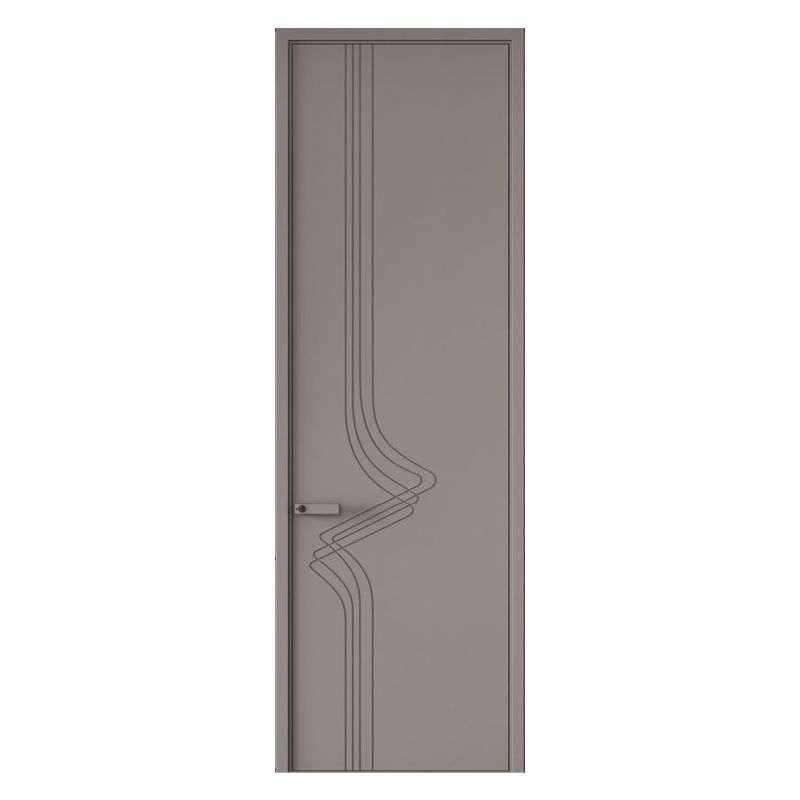
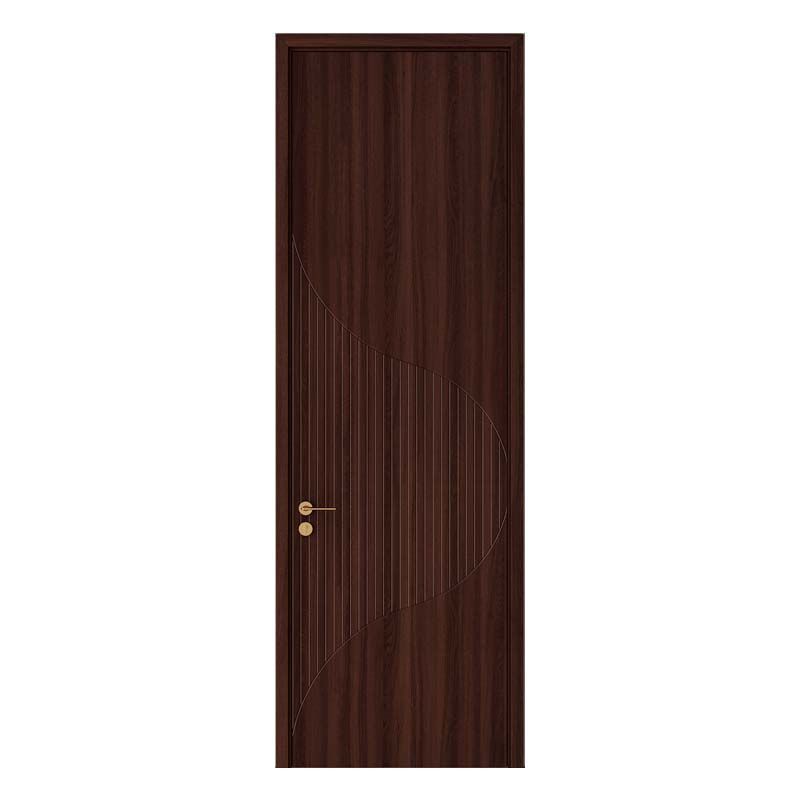
Choosing between flat carving wooden interior doors vs glass interior doors becomes difficult when a bedroom needs privacy, a dark hallway needs daylight, or a compact apartment must feel more spacious. People often search for the best flat carving wooden interior doors for bedrooms, glass interior doors for small apartments, and wood vs glass interior door cost before ordering. The decision affects interior design, privacy, and natural light, but it also depends on measurable factors such as STC acoustic rating, tempered-glass safety, and veneer construction. This comparison explains where each door works, what it costs, and what homeowners should verify before buying.

The usual problem is not simply appearance. A family may want a quiet bedroom, while the adjacent corridor receives no direct sunlight. A home office may need visual separation without making a narrow room feel enclosed. In another case, a homeowner may like the clean appearance of glass but worry about fingerprints, breakage, or nighttime privacy.
Flat carving wooden doors and glass interior doors solve different problems. A carved wood door adds visual weight, sound reduction, and concealment. A glass door improves borrowed light and sightlines, but its performance depends heavily on glass thickness, interlayer design, frame sealing, and installation quality.
A flat carving wooden interior door normally uses a smooth or lightly routed face over a solid-core, engineered-wood, or honeycomb structure. The “carving” may be CNC-routed grooves, applied moulding, or a layered decorative panel. These details matter because a solid-core door generally provides more mass than a hollow-core model, and mass is one contributor to sound reduction.
Glass interior doors can use clear, frosted, reeded, laminated, or patterned glass. For residential interiors, tempered glass is commonly specified because it breaks into smaller granules rather than large knife-like shards. Laminated glass adds a plastic interlayer that helps hold fragments together after impact and can improve acoustic performance.
| Factor | Flat carving wooden interior door | Glass interior door | What the number means |
|---|---|---|---|
| Common door thickness | 35–45 mm | 8–12 mm glass, excluding frame | Thickness affects rigidity, weight, and hardware selection. |
| Typical sound-control range | Approximately STC 28–36 for many solid-core residential assemblies | Approximately STC 25–35, depending on laminated glass, seals, and frame | STC is a laboratory rating; the installed result can be lower if gaps remain. |
| Light transmission | Usually below 1% through the leaf | About 40–90% for clear or translucent designs | Actual transmission varies with tint, frosting, texture, and thickness. |
| Visual privacy | High, normally 100% opaque | Low to high, depending on frosting, reeded texture, or switchable film | Clear glass provides separation but not privacy. |
| Approximate weight | 25–45 kg for a standard 800 × 2,100 mm leaf | 35–60 kg for a 10 mm glass leaf of similar size | Glass weight requires compatible hinges, pivots, and wall reinforcement. |
| Maintenance | Dusting and occasional surface cleaning | Frequent removal of fingerprints, water marks, and smudges | High-touch areas may require weekly cleaning. |
| Typical installed price | Approximately US$250–900 per door | Approximately US$350–1,200 per door | Prices vary by country, hardware, finish, size, and installation complexity. |
These figures are planning ranges rather than guaranteed specifications. A buyer should request the complete door assembly specification, including the leaf, frame, seals, hinges, finish, and installation method. A door rated at STC 32 in a laboratory can perform poorly if the frame is twisted or the undercut is excessively large.
Wood is usually the safer choice when the door separates a bedroom, nursery, bathroom, or home office. A solid-core leaf with perimeter seals can reduce conversational noise more effectively than a lightweight hollow-core product. It also hides clutter, laundry areas, storage zones, and changing spaces.
Flat carving does not have to mean a heavy traditional appearance. Shallow vertical grooves can make a narrow door look taller, while horizontal routing can visually widen a compact room. A matte veneer or painted engineered-wood surface is also easier to coordinate with flooring and wall panels than highly decorative raised carving.
Glass is most useful where daylight is limited. A frosted panel can transmit light while reducing direct visibility, and reeded glass can create a blurred silhouette. Clear glass offers the greatest visual connection, but it should not be selected for a bathroom or bedroom unless privacy film, curtains, or an opaque section is added.
For safety, check whether the glass is tempered or laminated, whether the panel carries a permanent safety marking, and whether the frame protects exposed edges. A large unsupported glass panel is not equivalent to a framed, sealed door. Hardware must also be rated for the panel weight; ordinary cabinet hinges are not suitable for a full-height glass leaf.
| Room or situation | Better starting choice | Reason | Important exception |
|---|---|---|---|
| Bedroom or nursery | Flat carving wooden door | Higher visual privacy and generally better sound control | Use glass only with substantial frosting and acoustic seals. |
| Dark hallway or internal corridor | Frosted or reeded glass door | Borrowed light can reduce the need for artificial lighting during the day | Confirm that nighttime silhouettes are acceptable. |
| Home office | Solid-core wood or laminated glass | Both can provide separation; wood normally offers stronger visual privacy | Choose based on video-call privacy and noise levels. |
| Kitchen or dining room | Glass or wood, depending on layout | Glass keeps sightlines open; wood conceals cooking mess and noise | Use easy-clean finishes near grease and moisture. |
| Bathroom | Opaque wood or fully frosted safety glass | Both can provide privacy when correctly specified | Wood requires moisture-resistant edge sealing and ventilation. |
| Small apartment | Reeded or frosted glass in selected locations | Light and sightlines can make the space feel less segmented | Do not sacrifice bedroom privacy for visual openness. |
A useful design sequence is to begin with the room’s failure point. If the problem is glare, darkness, or a cramped sightline, investigate glass. If the problem is noise, privacy, or hidden storage, investigate a solid-core wood door. This approach avoids choosing a door only because it appeared attractive in a showroom.
Price comparisons are often misleading because a “door price” may exclude the frame, hinges, lockset, delivery, wall preparation, and installation. A wooden door with a standard frame may cost less initially, while a glass door may require heavier pivots, reinforced framing, precision leveling, and specialist handling.
| Cost item | Wooden door considerations | Glass door considerations |
|---|---|---|
| Door leaf | Price rises with solid-core construction, veneer species, CNC carving, and custom dimensions. | Price rises with laminated glass, reeded patterns, frosting, tint, and large panel size. |
| Frame | Usually timber, engineered wood, or painted composite. | May require reinforced timber, aluminum, steel, or a concealed pivot frame. |
| Hardware | Standard butt hinges and mortise locks are widely available. | Glass-rated hinges, patch fittings, pivots, or sliding systems may be required. |
| Installation risk | Can usually be trimmed or adjusted more easily on site. | On-site cutting is generally impossible; inaccurate measurements can cause replacement costs. |
| Long-term maintenance | Surface scratches may be repaired or refinished depending on the finish. | Glass is resistant to many stains but exposes fingerprints and damaged edges immediately. |
For a renovation budget, allow an additional 15–30% beyond the quoted leaf price for hardware, delivery, site adjustments, and installation. Custom carved wood can exceed glass in price when the design uses multiple layers, rare veneer, or hand finishing. Conversely, a large laminated glass door with premium hardware can cost more than a standard solid-core wood door.
Customer feedback tends to divide along practical lines rather than style preferences. Homeowners who select wood commonly mention quieter bedrooms, easier privacy management, and fewer visible marks after daily use. Those who select glass often mention improved daylight, a more open feeling, and easier supervision of children in adjacent rooms.
One customer case reported during an ROI HOME consultation involved a narrow apartment corridor that remained dark even during the day. The homeowner replaced an opaque internal door with reeded glass. The customer said the corridor felt less enclosed and that lights were used less frequently in daytime hours. The same homeowner retained a solid-core carved wood door for the bedroom because privacy and sleep quality mattered more there. The result was not a claim that one material was universally better; the customer used each material where its performance matched the room.
Another reported homeowner experience involved a clear-glass office door. The owner liked the daylight and visual connection during work hours but found that fingerprints became noticeable around the handle. After changing to a reeded, partially frosted panel and adding a pull handle with a larger grip, cleaning frequency dropped from almost daily attention to a practical weekly routine. This illustrates why the glass pattern and hardware design should be evaluated together.
These accounts are customer-reported experiences, not controlled laboratory tests. They are useful because they reveal the daily issues that product photographs rarely show: silhouette privacy at night, hand marks, door weight, latch noise, and the difference between an attractive showroom sample and a correctly installed assembly.
Ask the manufacturer for more than a finish catalogue. Confirm whether the door is hollow-core, semi-solid, or solid-core; identify the face material; check the moisture content and edge-sealing method; and request the actual door thickness. For a carved design, ask whether the grooves are CNC-routed, applied, or hand-finished, because these methods affect repeatability, repairability, and lead time.
Also verify the tolerance between the door leaf and frame. Excessive gaps can reduce privacy and acoustic performance, while insufficient clearance can cause rubbing after seasonal movement. A reliable quotation should list door size, opening size, swing direction, frame depth, hinge type, lock preparation, finish code, packaging, delivery, and installation responsibility.
When comparing ROI HOME with another flat carving wooden interior door manufacturer, use the same checklist for both suppliers. Compare the complete installed system, not two catalogue prices. A lower-cost door may become more expensive if it excludes the frame or requires replacement hardware.
Flat carving wooden interior doors are suitable for homeowners who prioritize privacy, concealed rooms, bedroom comfort, solid visual presence, and easier surface coordination. They are less suitable when the main objective is to move daylight through a dark plan or maintain a continuous view between rooms.
Glass interior doors are suitable for compact homes, dark corridors, home offices that benefit from borrowed light, and contemporary interiors built around open sightlines. They are less suitable for people who dislike regular fingerprint cleaning, require maximum privacy, or need the highest practical sound reduction without upgrading to laminated acoustic glass.
In the end, the most balanced solution is often a room-by-room combination rather than a single material throughout the home. Compare the best flat carving wooden interior doors for bedrooms, glass interior doors for small apartments, and wood vs glass interior door cost using measurable details such as privacy, daylight transmission, STC acoustic rating, tempered-glass safety, and veneer construction. If you are ready to proceed, prepare your opening dimensions, room priorities, preferred finish, and budget, then ask ROI HOME or another qualified supplier for a complete door-and-frame quotation before placing the order.