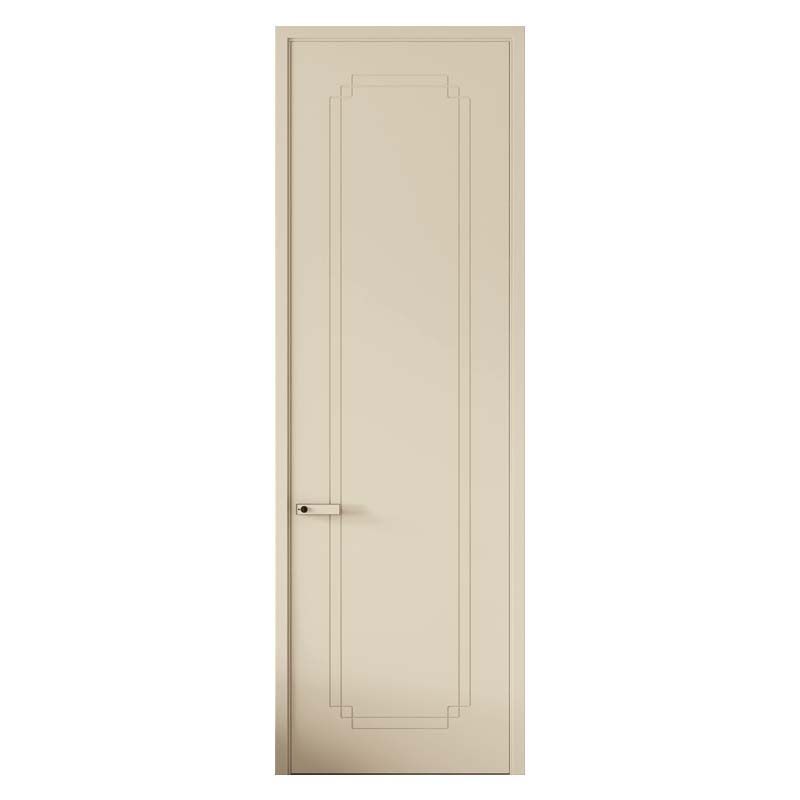
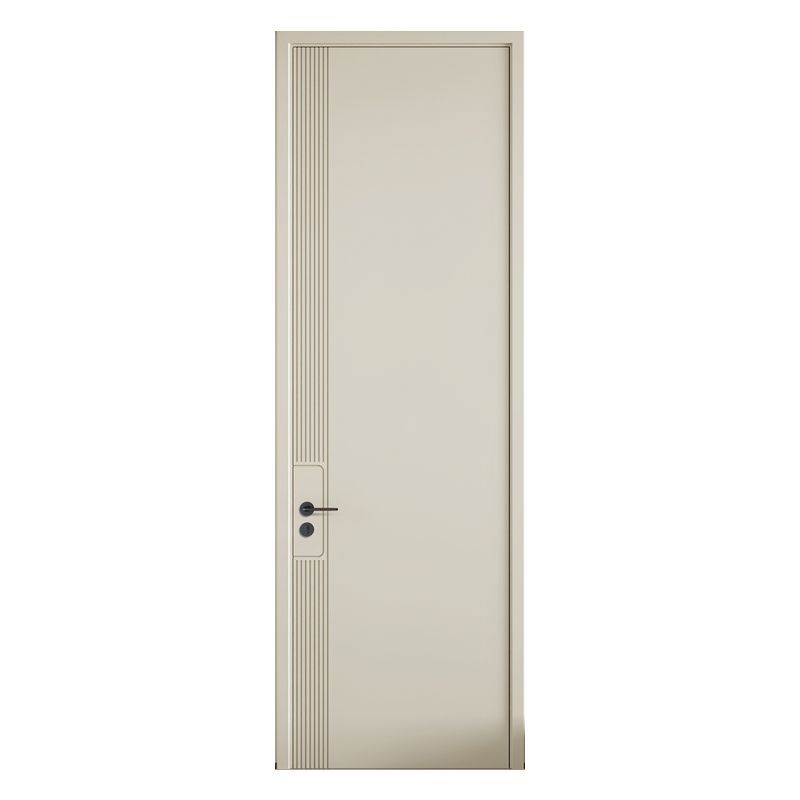
Choosing flat carving wooden interior doors for residential projects affects privacy, maintenance, room proportions, and renovation cost—not only appearance. Homeowners comparing custom flat carving wood doors with painted MDF often need the best flat carved interior doors for modern homes, while also checking the solid wood door core, door jamb fit, and sound reduction performance. The practical questions are straightforward: will the carved surface survive daily use, remain stable as humidity changes, and justify its price? This guide examines construction, installation, lifecycle cost, and suitable applications before you order.

How a Flat Carving Wooden Interior Door Is Built
A flat carving door starts with a comparatively flat face. A router, CNC machine, or hand tool removes material to create grooves, geometric lines, recessed panels, or shallow motifs. The design is then sanded and finished with paint, stain, veneer, or another coating. “Flat carving” does not describe one fixed material: the door may be made from engineered wood, veneer-faced MDF, a solid timber frame with a composite panel, or solid wood throughout.
That distinction matters because the face design and the core solve different problems. A veneer-faced engineered door can provide a consistent pattern and lower seasonal movement, while a solid wood door offers a natural grain and can be repaired or refinished more extensively. A hollow-core door is lighter and usually less expensive, but it generally provides less impact resistance and lower acoustic mass than a solid-core construction.
What to Confirm With a Flat Carving Wooden Interior Door Manufacturer
Before comparing samples, ask the flat carving wooden interior door manufacturer for a written specification. It should identify the core, face material, thickness, finish system, edge construction, and recommended humidity range. A common interior door thickness is approximately 35 to 45 mm, but the exact size must match the frame, hinges, lockset, and local building practice.
- Core: Ask whether it is solid timber, laminated wood, particleboard, MDF, or hollow construction.
- Face: Confirm whether the visible layer is natural veneer, reconstituted veneer, paint-grade MDF, or solid wood.
- Carving depth: Shallow grooves are easier to clean and less likely to weaken a panel than deep material removal.
- Moisture content: Wood products should be acclimatized to the project environment. The acceptable range depends on species, climate, and manufacturer instructions; the supplier should provide its target rather than relying on a generic number.
- Finish: Request the coating type, number of coats, edge-sealing method, and repair instructions.
- Hardware preparation: Confirm hinge positions, lock bore dimensions, handing, and whether machining is included.
For a large order, request a physical corner sample or a complete sample door. A small color card cannot show how carving shadows change across a 2.1 m-high leaf, and a product photograph may not reveal telegraphing, veneer joints, or uneven coating at the groove edges.
Where Flat Carved Interior Doors Provide Measurable Value
Design Flexibility Without a Heavy Raised-Panel Profile
Flat carving works particularly well in contemporary, Scandinavian, transitional, and minimalist interiors. Linear grooves can align with wall slats, cabinetry, or floorboards, while a shallow recessed pattern adds texture without projecting far into a narrow hallway. Because the pattern is cut into a relatively flat face, the door can look decorative from a distance and restrained when viewed beside large furniture.
Customization also allows the designer to control visual scale. A full-height vertical pattern can make a door appear taller, whereas horizontal lines can visually widen it. These are optical effects, not changes to the actual opening, so they should be tested with a full-size elevation or sample before production.
More Predictable Repetition for Multiple Rooms
When a project contains six, ten, or more interior doors, CNC-cut patterns can repeat the same spacing and depth more consistently than unrecorded hand carving. Digital production does not guarantee a perfect finish, but it can reduce variation in the layout. Ask for a tolerance or quality standard if exact alignment between neighboring doors is important.
Consistency is especially useful in apartments, hotels, and large houses where the same door design appears in bedrooms, closets, and utility areas. The manufacturer can often mirror the pattern, change the finish, or adjust the width while retaining the same design language.
Potentially Lower Weight Than a Full Solid-Wood Door
Many flat carved doors use engineered cores or a framed construction rather than a thick solid timber slab. A lower-mass door can reduce the load on hinges and make daily operation easier. However, weight depends on dimensions, core density, glazing, and hardware, so it should be measured from the supplier’s technical sheet rather than inferred from the appearance.
A lighter leaf is not automatically a better leaf. Solid-core doors generally offer more mass for privacy and impact resistance, while lightweight doors may be suitable for closets or low-traffic rooms. For bedrooms, home offices, and bathrooms, compare the actual construction instead of choosing by finish alone.
Repairable Finishes and Manageable Routine Cleaning
A painted flat surface with shallow carving can usually be dusted with a soft cloth and cleaned with a slightly damp cloth followed by drying. Avoid soaking the grooves, abrasive pads, chlorine bleach, and household solvents unless the finish manufacturer approves them. Small painted scuffs may be touched up, although the repaired area can remain visible under strong side lighting.
Natural veneer offers a different maintenance path: scratches may sometimes be blended or refinished, but sanding through a thin veneer can expose the substrate. A solid timber face allows more material for future refinishing, yet it can also show dents, grain variation, and seasonal movement more clearly.
Better Visual Privacy Than an Open Passage
An interior door creates a physical and visual separation that an open arch cannot provide. The amount of sound control, however, depends on the entire assembly: door leaf, perimeter seals, threshold, frame, and wall. A door with a nominal acoustic rating should only be treated as a tested assembly if the manufacturer provides test documentation for the complete configuration. Without that evidence, avoid promising a specific decibel reduction.
For a home office or nursery, a solid-core leaf with compression seals and a carefully fitted frame will generally be a more sensible specification than decorative carving alone. A 3 mm gap around the sides or an unsealed undercut can allow sound and light to pass even when the door leaf is heavy.
Limitations to Consider Before Ordering a Flat Carved Wood Door
Moisture and Seasonal Movement Can Affect the Pattern
Wood is hygroscopic: it gains and loses moisture as the surrounding relative humidity changes. That movement is normal, but excessive or rapid change can cause sticking, open joints, finish cracks, or slight distortion. Engineered wood usually reduces directional movement compared with a wide solid timber panel, but it is not immune to moisture.
Bathrooms, laundry rooms, coastal homes, and unconditioned storage areas therefore require closer specification. Use a bathroom-rated finish where available, seal all edges, provide mechanical ventilation, and keep the door away from direct water spray. Do not install a standard interior wood door as a substitute for a certified wet-area, fire-rated, or exterior door.
Deep Grooves Increase Cleaning and Finishing Work
The more intricate the carving, the more surface area and narrow recesses the door contains. Dust can collect where a cloth cannot easily reach, and dark or high-gloss finishes make uneven sanding more visible. Deep cuts can also reduce the effective thickness of a panel and create sharp edges that are less suitable for homes with toddlers or high-contact circulation routes.
A practical compromise is a shallow, wide-radius groove with a durable low-sheen coating. Before approving the design, wipe the sample with the cleaning cloth you expect to use at home. If one door takes several minutes to clean carefully, multiplying that time across every room may change the decision.
Custom Production Can Increase Lead Time and Replacement Difficulty
Custom dimensions, special carving files, unusual veneers, and color matching add coordination steps. The lead time depends on the manufacturer’s production queue, sampling process, shipping route, and hardware preparation; a supplier should provide a written schedule rather than a general promise such as “fast delivery.” Keep the approved pattern file, finish code, and spare touch-up material for future repairs.
Replacement can be inconvenient if the design is discontinued. For a multi-door project, order at least one extra matching sample or confirm that the digital pattern and finish formula will be retained. Also verify whether later doors can be made from the same veneer batch, because natural wood color and grain vary between logs and production runs.
Carving May Raise the Purchase Price Without Raising Performance
Carving adds programming, machining, sanding, inspection, and finishing time. The price premium may be worthwhile when the design is central to the room, but it does not automatically improve thermal insulation, acoustic performance, or durability. Those properties come primarily from the core, seals, frame, hardware, and coating.
Request an itemized quotation that separates the door leaf, carving, finish, frame, hinges, lockset, packaging, delivery, installation, and taxes. This prevents a decorative upgrade from hiding a weak frame or an under-specified hardware package. ROI HOME, for example, can be approached as a design and supply option, but the final decision should rest on the written construction and warranty terms rather than the brand name alone.
How to Avoid Common Installation Problems
The best carved door can perform poorly if the opening is inaccurate. Measure the finished wall opening after flooring, trim, and plaster are known. Check width, height, diagonals, jamb depth, wall plumb, and floor level. A door that is forced into a twisted frame may rub at one corner, leave an uneven reveal, or place excessive stress on the hinges.
- Acclimatize the product: Store the doors flat or as instructed, protected from direct sunlight and water, inside the conditioned building. Follow the supplier’s acclimatization period rather than guessing.
- Inspect before installation: Check both faces, all four edges, groove consistency, finish color, and hardware machining before removing protective packaging.
- Seal vulnerable edges: Use the approved coating on cut or exposed areas. Unsealed bottom edges can absorb moisture during cleaning or construction.
- Use suitable hinges: The number and size of hinges should follow the door weight and manufacturer’s recommendation. Heavy solid-core leaves may need more robust hardware than closet doors.
- Set even clearances: The installer should follow the specified head, jamb, and floor gaps, taking account of ventilation and local code requirements.
- Protect the finish: Complete dusty construction before final cleaning, and do not place adhesive tape directly on a delicate coating.
After installation, open and close the door several times, test the latch without slamming, and inspect the reveals in daylight. If the pattern is intended to align with adjacent doors or wall panels, assess the sightline from the main approach—not only from directly in front of the leaf.
Flat Carving Wooden Interior Door Versus Common Alternatives
A plain flush MDF door is often the simplest choice when the priority is a low initial price, easy repainting, and minimal cleaning. A flat carved door adds visual identity but requires more careful finishing. A traditional raised-panel solid wood door provides deeper profile and classic detailing, though it can be heavier and more expensive. A hollow-core flush door reduces weight and cost but is usually a weaker option for privacy and impact resistance.
For sound-sensitive rooms, compare solid-core construction and perimeter sealing before comparing carving patterns. For humid rooms, compare edge sealing, coating, and warranty coverage. For a heritage renovation, compare the wood species, joinery, and profile with the existing trim. This functional comparison is more reliable than selecting the most attractive photograph.
Is a Flat Carving Wooden Interior Door Worth Buying?
It is worth considering when the project needs a repeatable custom pattern, a coordinated modern interior, and a surface that can be cleaned with normal household care. It is less compelling when the door will be exposed to frequent water, when the budget is focused on acoustic performance, or when a standard flush door already meets the design brief.
Use a decision checklist before signing the order:
- Does the core match the room’s privacy, impact, and weight requirements?
- Are the face, edges, grooves, and frame finished to the same moisture-control standard?
- Has the manufacturer supplied a full-size sample or a clear technical drawing?
- Are sound, fire, or wet-area claims supported by applicable test documentation?
- Are delivery, installation, warranty, replacement, and touch-up responsibilities written into the quotation?
- Can the design be reproduced if one door is damaged several years later?
For bedrooms, living rooms, dining areas, hallways, and home offices, a solid-core or engineered flat carved door with sealed edges is often a balanced specification. For closets and low-traffic storage rooms, a lighter construction may be sufficient. For bathrooms and laundry rooms, choose only a product whose material and finish are approved for the expected moisture exposure. For fire separations, use a certified fire-door assembly, not a decorative interior door described as fire resistant.
Who Should Choose This Door Style?
Flat carving wooden interior doors suit homeowners who want architectural detail without a projecting raised-panel design, designers coordinating several rooms, and renovation teams willing to approve samples and control installation quality. They are a weaker fit for buyers seeking the lowest upfront cost, owners who cannot control indoor humidity, or projects where acoustic and fire performance matter more than surface pattern.
The most dependable purchase combines a documented core, stable moisture conditions, sealed edges, a carefully measured frame, and a restrained carving profile. When comparing flat carving wooden interior doors for residential projects, custom flat carving wood doors, and the best flat carved interior doors for modern homes, assess the solid wood door alternative, door jamb tolerances, and sound reduction requirements together. A qualified flat carving wooden interior door manufacturer, including ROI HOME where its specifications match the project, should be judged by verifiable construction details, sample quality, and after-sales support—not by decorative adjectives.