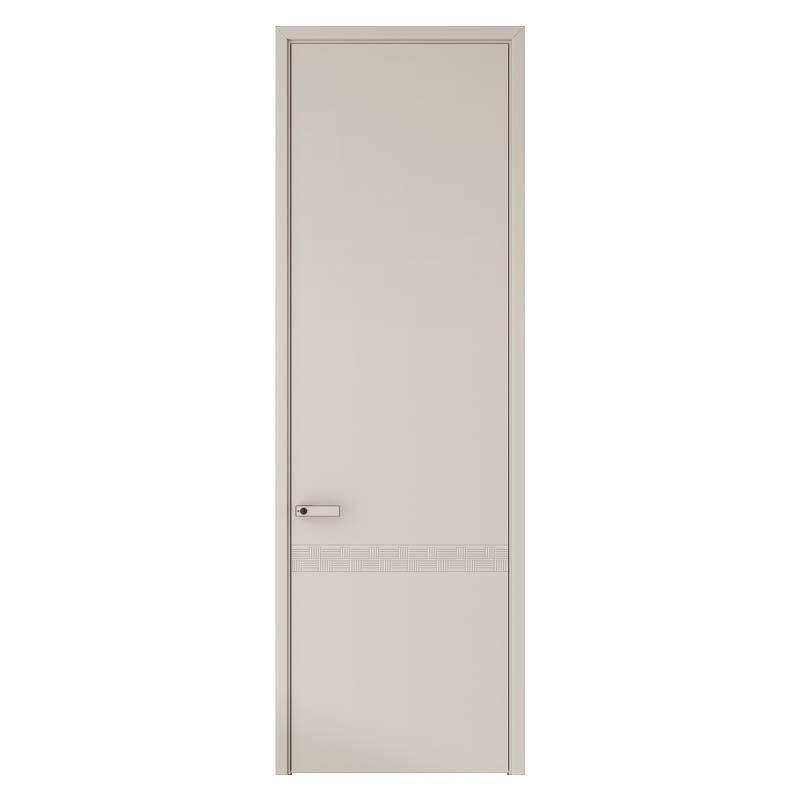
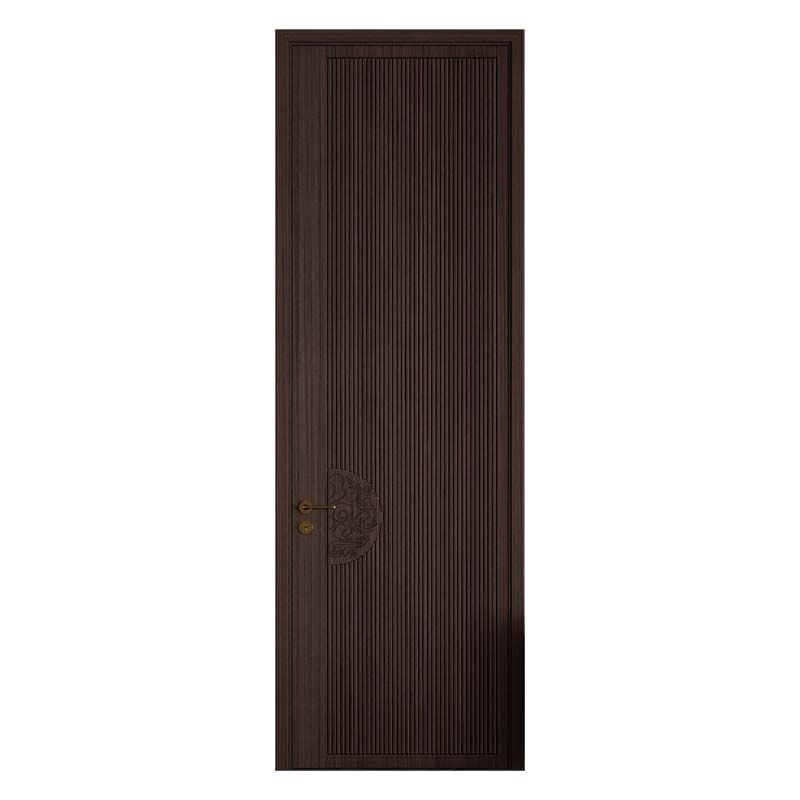
Choosing between flat carving wooden interior doors and traditional carved wooden doors is rarely just a style decision. Homeowners comparing flat carved wooden doors for modern homes with traditional carved wooden doors for entryways usually want predictable pricing, stable dimensions, easy maintenance, and a design that will not look dated after a few years. The decision also involves relief depth, moisture content, and stile-and-rail joinery. A flat carving wooden door may solve the problem of limited room space and inconsistent budgets, while a traditional door may be better for a formal entrance where craftsmanship and visual depth matter more.

Before comparing appearance or price, it helps to understand how the two products are made. A flat carving door begins with a relatively smooth door face. The pattern is cut, pressed, routed, or CNC-machined into the surface, normally at a shallow depth. Depending on the construction, the core may be solid wood, engineered wood, MDF, plywood, or a composite panel with a natural-wood veneer.
Traditional carved wooden doors are generally made from solid timber or a substantial hardwood frame with individually carved panels. The pattern may be produced by hand carving, machine roughing followed by hand finishing, or a fully manual process. Deeper relief creates stronger highlights and shadows, but it also increases labor hours, finishing complexity, and the risk of movement if the timber was not properly kiln-dried.
A reliable manufacturer should also explain the door’s face material, core, edge-banding method, coating system, hinge reinforcement, and tolerance. A decorative pattern cannot compensate for a weak frame or an incorrectly sized opening.
| Parameter | Flat Carving Wooden Door | Traditional Carved Wooden Door | What the Buyer Should Check |
|---|---|---|---|
| Typical relief depth | Approximately 1–5 mm, depending on the pattern and process | Approximately 5–30 mm or more for sculptural designs | Ask for a sectional drawing or physical sample |
| Visual character | Clean, geometric, restrained, and consistent | Layered, dramatic, historical, and highly dimensional | Match the door to the architectural style |
| Production consistency | High when CNC routing or controlled pressing is used | Varies with hand-carving skill and timber grain | Review multiple finished samples, not only one photograph |
| Typical lead time | Often 3–8 weeks for standard designs and materials | Often 6–16 weeks for custom carving and hand finishing | Confirm design approval, production, and shipping separately |
| Relative price | Often about 20%–50% lower than a comparable custom hand-carved door | Higher because of timber selection, carving hours, and finishing labor | Compare the complete door set, not the slab alone |
| Cleaning difficulty | Low to moderate; shallow grooves collect less dust | Moderate to high; deep recesses require detail cleaning | Inspect the narrowest grooves and corners |
| Dimensional stability | Usually predictable when engineered panels are used | Depends strongly on wood species, grain direction, and drying | Request moisture-content and construction information |
| Acoustic potential | Can support a solid-core specification and perimeter seals | Can also perform well, but carved panels may require careful backing | Ask for the core density and, where relevant, an STC rating |
| Repairability | Small scratches are often easier to fill and refinish | Damaged sculptural details may require a specialist woodworker | Clarify repair and replacement policy before ordering |
The price and lead-time figures are planning ranges rather than universal guarantees. Wood species, door size, coating, hardware, packaging, destination, and the amount of customization can change the final quotation by thousands of dollars.
In a compact apartment, a deep carved door can compete visually with furniture, wall panels, and lighting. A flat geometric pattern usually provides enough detail without making a narrow corridor feel crowded. The shallow surface is also easier to wipe, which matters in homes with children, pets, or frequent cooking.
For a contemporary bedroom, a flat-carved door with a matte lacquer, natural oak veneer, or painted MDF face can coordinate with wardrobes and wall molding. A flush design may also reduce visual interruptions when several doors open onto one hallway. If privacy is important, the buyer should prioritize a solid or semi-solid core, compression seals, and correct installation rather than relying on carving depth.
Traditional carving makes more sense when the door is intended to be a focal point. A villa entrance, heritage-style residence, boutique hotel, restaurant, or religious building can benefit from deep relief because sunlight and evening lighting reveal the pattern from several meters away.
Exterior use requires additional caution. A carved timber door exposed to rain and direct sun needs an exterior-rated coating, drip protection, stable joinery, and regular inspection. Even then, a decorative solid-wood door may require seasonal adjustment. For a sheltered porch, it can perform well; for an unprotected elevation, a certified exterior door system may be a safer choice.
Bathrooms, coastal homes, laundry rooms, and tropical locations place greater demands on material stability. A flat-carved engineered door is often easier to seal uniformly than a deeply sculpted solid-wood door. However, neither option should be installed where repeated water contact is expected unless the substrate, edge treatment, adhesive, and coating are specifically rated for that environment.
For hotels and offices, replacement speed is another practical issue. A repeatable CNC pattern makes it easier to reproduce a damaged flat-carved panel. A one-off hand-carved design may be impossible to match exactly unless the manufacturer retains the original drawing, digital file, or carving template.
Buyers sometimes compare a basic flat-carved slab with a fully customized traditional door and conclude that the traditional option is “too expensive.” A fair comparison separates the cost into material, design, labor, finishing, hardware, packaging, and installation.
| Cost component | Flat carving door | Traditional carved door |
|---|---|---|
| Design preparation | Usually lower after a standard pattern is selected | Higher for original drawings, relief studies, or sculptural revisions |
| Carving labor | Often machine-assisted with limited hand finishing | May require many additional hand-finishing hours |
| Material waste | Generally more predictable with panel production | Can increase when large clear boards and deep carving are required |
| Finishing | Usually simpler and more uniform | May require stain matching, hand glazing, sanding between details, and multiple protective coats |
| Maintenance | Lower cleaning and touch-up effort in many indoor applications | Higher if dust settles in deep recesses or sculpted details are exposed to handling |
As a working budget, a custom interior flat-carved door may fall within a mid-range architectural door budget, while a hand-carved hardwood door can cost two to five times more once design and finishing are included. These are broad market observations, not a quotation. A buyer should request a line-item offer from a flat carving wooden interior door manufacturer and ask whether the price includes the frame, casing, hinges, lock preparation, coating, export packing, and installation instructions.
ROI HOME is worth including in that comparison because its design direction can suit buyers who want carved detail without the visual weight and labor cost of a fully sculptural door. The important point is not to select a brand solely for appearance; request drawings, material specifications, finish samples, and a production confirmation before paying a deposit.
A homeowner renovating a two-bedroom apartment selected shallow linear carving for five interior doors. The original concern was that traditional relief would collect dust and make the 1.1-meter-wide corridor look busy. After installation, the homeowner reported that the shallow grooves could be cleaned with a microfiber cloth in under two minutes per door, while the consistent face alignment made the hallway appear more orderly.
The project also exposed a common purchasing mistake: the first quotation covered door leaves but not the jambs and architraves. The final budget increased after the homeowner added matching frames, concealed hinges, and magnetic latches. This is why word-of-mouth recommendations often emphasize the complete door set rather than the decorative panel alone.
In a separate villa renovation, the owner chose a deep floral carving for the main entrance because the door was visible from the driveway and the foyer had high ceilings. The carved hardwood created stronger shadows under warm lighting than a flat pattern could provide. However, the owner also scheduled seasonal coating inspections and installed a covered canopy to limit direct rainfall.
The lesson was straightforward: traditional carving delivered the desired entrance presence, but it required a maintenance plan. The owner would not have selected the same door for every bedroom because the additional cost and cleaning time offered little benefit in private rooms.
A small hospitality project used flat-carved doors for guest rooms and reserved hand-finished carved doors for the reception and dining areas. The project manager reported that the repeatable room-door pattern simplified replacement planning, while the custom reception door created the visual identity guests noticed first. This mixed strategy reduced the decorative-door budget without making the public areas feel generic.
Across these cases, favorable comments focused on measurable practical points: stable fitting, consistent color, easy cleaning, clear delivery schedules, and responsive after-sales support. Negative comments were usually connected to unclear specifications, color differences between samples and production, or missing hardware rather than to carving style itself.
When comparing ROI HOME with another supplier, use the same checklist for every quotation. This prevents an attractive catalog image from hiding important construction differences.
A manufacturer that answers these questions clearly is usually easier to work with after delivery. ROI HOME can be considered by buyers seeking coordinated designs across several rooms, especially when a flat-carved pattern is preferred for most interior doors and a more decorative model is needed for one feature area.
A mixed strategy is often the most financially sensible option. Install flat-carved doors in bedrooms, bathrooms, studies, and service areas, then reserve traditional carving for the main entrance, living-room divider, or reception wall. This approach preserves a strong design focal point while controlling total project cost and cleaning effort.
For most homeowners, the ranking is practical: first, select the construction and dimensions; second, verify climate suitability and finish durability; third, compare carving style and price. A beautiful door that swells, scrapes the floor, or arrives without compatible hardware is not a successful purchase.
Flat carving wooden doors are usually the better fit for modern interiors, multi-room projects, controlled budgets, and buyers who value consistent production, simple cleaning, and predictable replacement. Traditional carved wooden doors are better suited to feature entrances, heritage properties, luxury hospitality spaces, and homeowners who regard the door as a handcrafted architectural object.
Neither option is automatically superior. The final result depends on the wood species, engineered construction, moisture content, relief depth, joinery, coating system, hardware, installation, and after-sales service. Before choosing ROI HOME or another supplier, request a complete specification sheet, a physical finish sample, a dimensional drawing, a warranty statement, and a door-set quotation.
If you are still comparing flat carved wooden doors for modern homes with traditional carved wooden doors for entryways, begin by listing each room’s use, humidity exposure, cleaning expectations, and viewing distance. Then ask a qualified flat carving wooden interior door manufacturer to recommend a construction rather than simply a pattern. The right decision will balance design, budget, and service life through measurable factors such as relief depth, moisture content, and stile-and-rail joinery. Request your design options and full quotation from ROI HOME before moving to production.